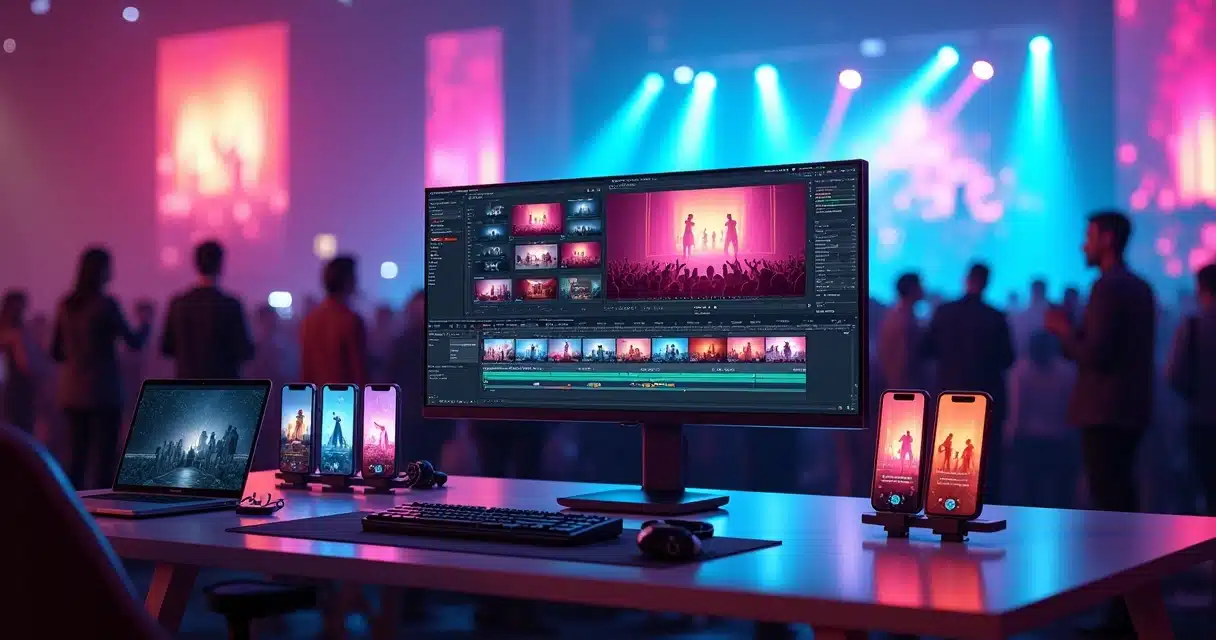

The audiovisual universe has never been as dynamic as it is now, and for those who work with events, this pace seems even more accelerated. In just a few years, vertical cuts have transformed the way videos of parties, lectures, weddings, and festivals come to life on social media. And everything indicates that by 2026, creating event videos geared towards the vertical format will not just be a choice, but practically a requirement for engagement and reach.
In this article, the reader will find a journey through the main trends of vertical cuts for event videos in 2026, always anchored in current data, technological advances, and changes in digital consumption. Real experiences, actionable tips, and practical recommendations enrich each theme, including showing how projects like VDClip.com are helping to shape this scenario.
Why have vertical cuts dominated event videos?
A quick scroll through TikTok, Instagram Reels, or YouTube Shorts reveals: the vertical format has become the standard. For events, the transformation has been even more visible. Previously relegated to horizontal cuts, recordings of experiences began to migrate to vertical mode for a simple and direct reason:
The smartphone has become the primary window to the digital world.
People watch, share, and record videos almost always holding their smartphones vertically. This habit shapes the visual expectation and demand of the audience, making it natural to bet on vertical cuts for event videos in 2026.
It is no surprise that the National Association of Magazine Publishers (ANER) shows that vertical videos receive, on average, 150% more clicks and are watched to completion 90% more often compared to horizontal ones. Such numbers validate the preference and point to opportunities for content producers, companies, and video editors.
Digital consumption and the weight of social media in 2026
Some data shows how short videos, especially vertical ones, impact communication:
- 73% of brands keep short videos at the center of their strategies, according to O Mundo do Marketing.
- Engagement on social media grows rapidly with videos under 60 seconds.
- Vertical formats increase viewing time and the chance of sharing.
In the event environment, each lecture, attraction, or testimonial gains new life when well edited. In the 2026 scenario, social media dictates the rules of format and encourages constant, concise, and impact-driven posting.
Learn more about this behavior and its implications in the article on short video trends for 2026.
What has changed in the cutting technique for vertical videos?
The evolution of vertical cuts is not limited to merely rotating the screen. Those who follow video production have noticed relevant technical innovations:
- Automatic identification of the best moments: AI tools, like VDClip, recognize expressions, peaks of emotion, and highlights of events, eliminating unimpactful segments.
- Dynamic subtitles: It is increasingly common to see large, colorful, and audio-synchronized text, making it easier to understand even without sound.
- Face tracking: The algorithm follows who is speaking or performing, centering the protagonist in the vertical frame.
- Intelligent adaptation of graphic elements: Logos, names, and dates appear optimized for the vertical space, without compromising the visual experience.
The vertical cut demands increased attention to aesthetics, visual rhythm, and creativity. It is not just about cutting, but thinking through the entire experience for those watching on a small screen.
 The 10 trends for vertical cuts in event videos in 2026
 The 10 trends for vertical cuts in event videos in 2026
Gathering experiences from experts, platform analyses, and market institute forecasts, we bring what will guide the production of vertical cuts until 2026. The following topics detail each element, always proposing applications for Brazilian creators and brands.
1. More fragmented and agile content
48 seconds. This is the average time a viral event video stays on a user’s screen, according to a recent survey. In the vertical format, it has already become standard to deliver context, peak, and conclusion in under a minute. This demands decisive cuts, objective phrases, and a fast pace. Shows, graduations, or launches need to capture attention in the first three seconds. The secret is to get straight to the point.
2. Multi-view scenes and dynamic cuts
Another highlight for 2026 is multiple animated frames simultaneously, placing different angles of the event on the same vertical screen. Lectures can simultaneously show the speaker and the audience reacting. In parties, the dance floor and backstage share space in the cut.
Automated platforms already suggest this technique by identifying related sequences from the event. VDClip provides options with multi-view in its templates, making it easier for those without advanced editing experience.
3. Intelligent and creative subtitling
With 85% of Brazilians watching videos on silent mode, subtitles are crucial. In 2026, the standard will be colorful, animated subtitles that highlight keywords and match the rhythm of the music or speech. AI already allows automatic adjustments of font, color, and transition. The viewer will understand everything in a few seconds, even without audio.
In VDClip, AI subtitling features make this process even easier. Learn more about how short videos with AI enhance engagement and reach on social media.
4. Highlights in face tracking or close-up windows
Moments of emotion or spontaneous reactions are precious. Therefore, face tracking will gain even more space, creating dynamic windows (picture-in-picture) focusing on the expressions and emotions of guests, artists, presenters, or spectators.
 5. Use of ready-made and dynamic templates
 5. Use of ready-made and dynamic templates
Templates are consolidating as a favorite resource for event creators, especially for quick launches. They are graphic frames, transition effects, spaces for titles and hashtags, all adjustable in seconds. The professional look is within reach for any user.
With VDClip, even those who have never edited can apply templates and transform long videos into short posts, optimized for the vertical feed.
6. Automatic personalization for each social network
It is not enough to just cut; it is necessary to think about each destination: TikTok, Stories, Shorts, Kwai… Platforms with AI already suggest the best format, time, title, and subtitle style for each network during the cut. This saves time, avoids mistakes, and reduces the need for rework.
7. Automatic strategic titles and hashtags
By 2026, the algorithm will analyze context, keywords spoken in the videos, and viral trends to suggest attractive titles and precise hashtags. The automatic curation of VDClip, for example, performs this task, helping to reach larger audiences without relying on the editor’s intuition.
8. Native integration with platforms and simplified scheduling
Event producers are already requesting, and the industry is delivering: total integration between video editors and social networks. The cut is exported, scheduled, and published with just a few clicks. Scheduling posts right after the event will be routine in 2026.
9. Automatic engagement analysis
Editing platforms already evaluate, in real-time, which cuts had the most retention, shares, and comments. This data directs the next videos, suggesting what to repeat and what to abandon. In the era of digital events, data guides even the style of the cut.
10. Automated multilingual translation
The internationalization of events requires accessible videos. AI software produces cuts with subtitles in multiple languages, opening doors to global audiences, whether in online congresses, fairs, or multicultural festivals.
How to apply the trends in your event videos?
 How to apply the trends in your event videos?
Knowing trends is not enough. The real differential is in transforming theory into practical action. Here are suggestions and applicable examples for any event:
- Script planning: Separate key moments of the event before editing, thinking about short vertical cuts with a beginning, middle, and end.
- Conscious recording: Guide cameramen and participants to also record videos in vertical mode, maximizing the raw material.
- Use AI to your advantage: Tools like VDClip automatically identify peaks of emotion and suggest cuts, saving hours of work.
- Attractive visuals: Invest in striking templates, strong visual subtitles, and eye-catching titles. Small details keep the viewer engaged.
- Segmentation by network: Export different versions for each social media, taking advantage of automatic scheduling features when possible.
In the end, the vertical cut is about telling an intense story in a short time.
These actions connect any event to its target audience, increasing engagement and making memories more shareable.
Artificial intelligence and automation: the turning point in vertical cut editing
Automation will be the main driver of quality leaps in vertical cuts by 2026. More and more, those behind events are realizing the impact of this technology: less time spent, more precision, and videos that are much more accessible to all audiences.
VDClip is an example of how artificial intelligence simplifies the process, suggesting precise cuts, real-time adjusted subtitles, and ideal formats for each social network. The challenge of manual editing is behind us, and the democratization of this resource has elevated the frequency of posts and the reach of both large and small events.
Learn how the creation of viral videos with AI and automated cuts is changing the rules of the game.
User-generated content: the rise of UGC in event videos
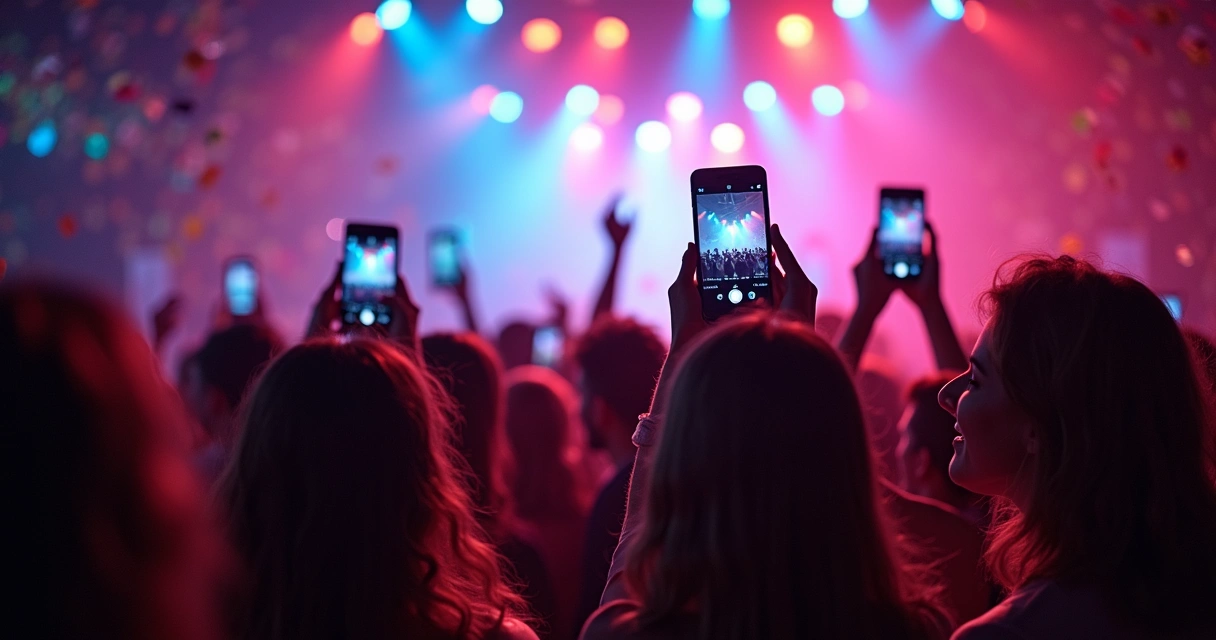
Another trend for 2026 is user-generated content (UGC) dominating event networks. Guests record experiences with their own phones, resulting in spontaneous and vertical cuts in real-time. Event promoters are already encouraging the submission of this content after each show, lecture, or party, turning the audience into co-creators of the official videos.
These cuts, when edited with intelligent models, maintain authenticity and engagement, all adjusted by the AI video editor, who organizes and highlights the best moments.
New formats and video experiences for live events
 New formats and video experiences for live events
2026 will bring formats that mix automated vertical cuts with live broadcasts, instant chat interactions, and even polls on which angle to watch. After the event, small edited clips will be available within minutes for those who could not follow the entire event. The expectation is that intelligent tools, like VDClip, will play a central role in this ultra-fast delivery.
In the future, creativity will be in the precise cut, not just in the capture. After all, technology does the heavy lifting, and the human eye guides the choice of the most memorable moments.
Visual trends: aesthetics, effects, and inclusion in 2026
The aesthetics of vertical event cuts will change even faster. Some directions are already gaining strength and occupying the feeds of companies and creators:
- Transition animations: Quick yet subtle effects keep editing fluid and maintain viewer engagement.
- Thematic filters: Filters inspired by holidays, brands, or personalized styles speak directly to the event’s audience.
- Visual accessibility elements: Translation in sign language, automated audio description, and subtitles in multiple languages democratize content.
These trends increase the audience’s identification with the event, favoring shares, and, in many cases, organic viralization of the best scenes.
Practical tips for transforming long event videos into vertical cuts
Not always was the recording of the event made with the vertical format in mind. Still, it is possible to create memorable cuts. Here are practical steps:
- Review the content and identify the most impactful moments (applause, speeches, surprises, etc.).
- Use editors that allow cropping and automatic frame adjustment without distorting the main image.
- Add striking visual subtitles and utilize tools that synchronize automatically with the audio.
- Adapt the cut with the platform in mind: short titles, highlighted hashtags, catchy soundtrack.
These practices become simple, especially when using platforms like VDClip, which simplify the entire flow, from curating the clips to scheduling the post.
For a more detailed view of vertical vs. horizontal cuts, it’s worth checking out the article vertical cuts vs horizontal: which performs better in 2025?.
The role of VDClip and the democratization of vertical cuts
VDClip emerges in this scenario as an ally for Brazilian creators. By automating cuts, subtitles, titles, and publication, the platform makes it possible for anyone, from influencers to event agencies, to produce professional-looking videos without relying on experienced editors or expensive software.
In addition to convenience, it boasts 100% local technology, ready to understand the nuances of culture, language, and preferences of the local audience.
The future will be of events revived in stories, Reels, Shorts, and, above all, impactful vertical cuts.
For those looking to turn events into viral videos, invite more audiences, engage followers, and create memorable memories, investing in vertical cut trends for 2026 has ceased to be an “opportunity” and has become the rule of the game.
Want to speed up your production, save time, and ensure videos optimized for social media? Try VDClip and discover how artificial intelligence can work in favor of your event, from recording to viral.
Conclusion
The digital landscape of 2026 is already outlined: vertical cuts are emerging as the main format for event videos, boosting engagement, reach, and professionalism with the support of artificial intelligence. From choosing the best moments to automated publishing, everything converges to faster, more attractive content aligned with the expectations of those consuming on social media.
Tools like VDClip simplify the process, reducing the distance between recording and posting, democratizing professional production, and increasing the impact of your events. If the goal is to grow, engage, and ride the wave of short videos, now is the time to act. Try VDClip.com and revolutionize your vertical cuts for 2026.
Frequently asked questions
What are vertical cuts in videos?
Vertical cuts in videos are edits made to adapt the content to the vertical format, in a 9:16 ratio, prioritizing display on smartphones. This technique allows events originally recorded in horizontal format to be transformed into videos ideal for social media such as TikTok, Instagram Reels, and YouTube Shorts.
How to make vertical cuts for events?
To create vertical cuts for events, select the most relevant moments, adjust the frame to favor the protagonists, and insert dynamic subtitles. Using editors with artificial intelligence, like VDClip, automates the recognition of peaks of emotion, generates subtitles, and suggests optimized titles, resulting in videos ready to go viral and attract more audience.
What are the main trends for 2026?
The scenario points to shorter and more agile cuts, intensive use of creative subtitling, automatic integration for each social network, AI-based title and hashtag suggestions, dynamic templates, face tracking, multilingual translations, and automated engagement analysis. Automation and personalization will be strong marks of vertical cuts for events by 2026.
Is it worth investing in vertical videos?
Yes, investing in vertical videos is strategic for those who want more reach, clicks, and complete views on social media. ANER studies show that this format can generate up to 150% more clicks and 90% more retention, making it a clear preference for both audiences and brands for event promotion.
Where to find examples of vertical cuts?
Examples of vertical cuts can be accessed on event profiles on TikTok, Instagram Reels, and YouTube Shorts, as well as portfolios of specialized producers. Platforms like VDClip offer ready-made models and automatic cut suggestions, in addition to incorporating trends from the Brazilian market to inspire your own creations.