

In the world of social media, few formats have grown as much and as quickly as short videos. The advancement of artificial intelligence (AI) has sped up and made it accessible for everyone to become a content creator, even those who have never edited a video. The secret? Combine human creativity with the keen eye of machines.
This article shows what lies behind the success of short videos, the numbers driving the trend, why the brain falls in love with this content, and how AI, partnered with platforms like VDClip, takes anyone to the next level on social media.
The Avalanche of Short Videos on Social Media
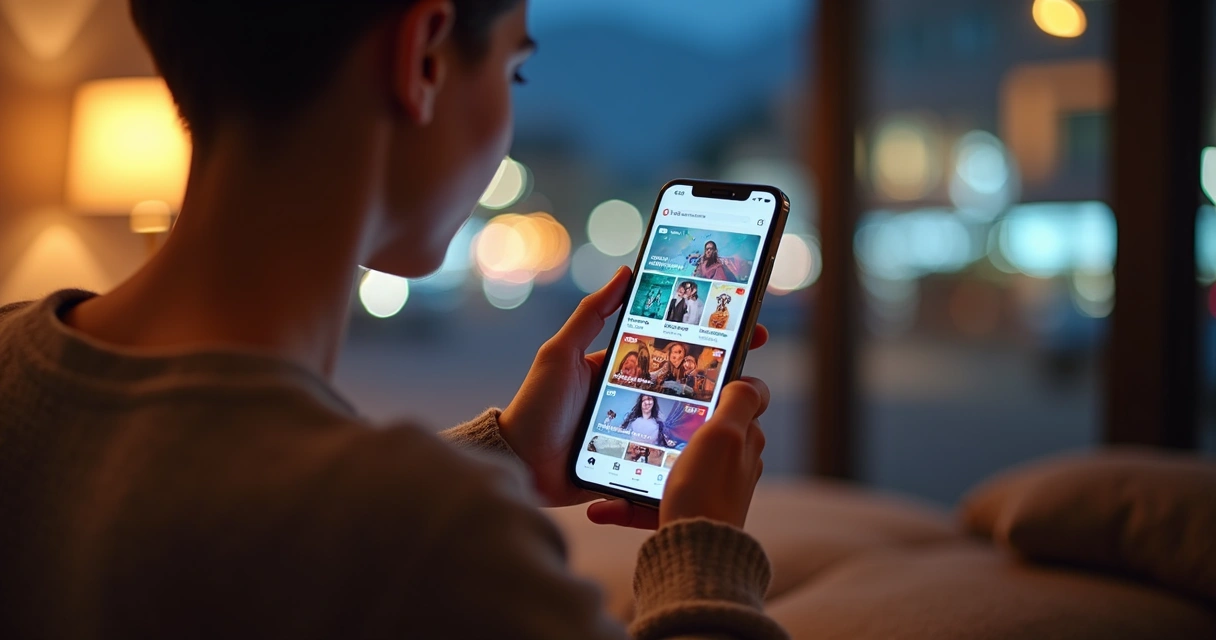
With every scroll, it becomes clear: a few seconds of videos dominate the audience’s attention. There are concrete data behind this perception. According to YouTube, over 2 billion people watch YouTube Shorts every month. On Instagram, Reels already account for over 50% of the time spent on the app, according to official platform information. The average TikTok user watches around 95 minutes of video per day—almost as much as a feature film.
 So why is all this happening now? The reason goes beyond a trend. A study by Microsoft revealed that the average human attention span has dropped to just 8 seconds. That’s right: less than that of a goldfish, some experts say. The audience is less willing to consume long and dispersed content.
The challenge? To capture (and hold) instant attention.
What is Considered a Short Video?
Not all content that lasts a few minutes is necessarily “short.” Market research and consumption patterns on social media show that videos between 15 and 60 seconds define the ideal short video format. Content between 1 and 10 minutes is already seen as medium-length, while anything longer falls into the category of long videos, such as full podcasts, interviews, and documentaries.
This new standard has even changed how people plan scripts and storytelling. It’s not enough to cut: the message needs to be conveyed entirely, without fluff, as quickly as possible.
Short videos last between 15 and 60 seconds and are designed to capture attention, deliver value, and be consumed to the end without distraction.
Everything revolves around objectivity. For brands, influencers, and creators, understanding this limit is crucial. Content must be designed to “fit” within this timeframe and make an impact even with a few seconds available.
Why Do Short Videos Appeal So Much to the Brain?
Neuropsychologist Brandy Hastings explains that our brain loves complete and quick stories because they activate reward circuits. According to her, watching a short video creates a feeling of “mission accomplished,” which generates satisfaction, stimulates return, and creates a consuming (and social sharing) cycle.
This preference is confirmed by data measured by Vidyard, which points out: videos shorter than 60 seconds have, on average, 68% of views to the end. Long videos drop drastically: only 25% of people reach the end of content longer than 20 minutes. The secret? The promise (and delivery) of a quick and complete experience.
For the brain, satisfaction comes in small, quick, and frequent doses.
Short videos evolved to fit perfectly into the limited attention span while simultaneously exploiting the “FOMO” (fear of missing out). Therefore, those who master this format win audiences, followers, and repeated virality.
However, studies from Paranaíba Mais draw attention to the unchecked consumption of short videos and impacts like the so-called ‘rotten brain’. Balance and attention to the type of content produced and consumed are recommended.
How Has Artificial Intelligence Changed the Short Video Game?
For a long time, transforming a long video into a small, engaging, and viral piece required hours of cutting, reviewing, and manual creativity. Fineas Tatar, a technology expert, stated that editing videos used to be a tedious process—identifying relevant excerpts, making precise cuts, adding subtitles and formatting took hours, sometimes days.
With the arrival of artificial intelligence, this scenario has flipped upside down. Platforms like VDClip have started using advanced algorithms that:
- Automatically identify the most relevant moments of the original material
- Generate precise cuts, synchronized subtitles, and even title and hashtag suggestions
- Create automatic subtitles (essential for those watching on mute)
- Allow translations and adaptations for different languages without manual intervention
- Drastically reduce production time and editing costs
AI tools do the heavy lifting and free the creator to focus on content, not technique.
Kos Chekanov emphasizes that AI, besides cutting costs and time, does not interfere with the essence of what makes a video truly good: authenticity, clarity, and a striking message. In other words: technology enhances but does not replace human creativity.
The Jornal da USP highlights that AI has already reached a surprising level, generating videos almost indistinguishable from real recordings and impacting not only production but the future of audiovisual itself. Therefore, more and more professionals, agencies, and amateurs are using AI in their workflow—making the technical stage simpler and faster.
Do Long Videos Still Have Space?
Even with the meteoric rise of short videos, we cannot ignore the importance of long formats. Podcasts, deep interviews, documentaries, and detailed tutorials will never completely fade away. These formats serve to build trust, deepen topics, and strengthen relationships with the audience.
CEO Tyler Denk used a striking analogy:
Short videos show if something is worth your time. Long ones show if something deserves your trust.
In other words, short content functions as an entry point—it sparks curiosity and attracts attention. Long content, on the other hand, cultivates deeper ties. The ideal, according to many digital strategists, is to combine both approaches: creating an ecosystem where a short video invites viewers to a complete content piece, and vice versa.
Find out how to define the strategy and the best short video format for social media and enhance this synergy.
Success Stories: Brands That Exploded with Short Videos
Not just influencers and independent creators: large companies are also riding the wave of short videos. One of the most emblematic examples is the airline Ryanair. With a light communication style, use of memes, and internal jokes, the brand has gained millions of followers and high engagement, even turning flight delays into viral content.
Another standout case is Duolingo. On Reels and TikTok, the brand’s mascot stars in irreverent situations, interacts with trends, and uses youthful language, breaking barriers and even becoming a meme in the global community. The secret? Naturalness, controlled improvisation, and real-time adaptation to what’s trending on social media.
These brands invest in creativity and authenticity, attributes that are enhanced when technology allows the focus to be 100% on the idea and not on technical complexity.
Practical Tips: How to Create Successful Short Videos with AI
How to create short videos that truly engage? Details make all the difference. Here are four tips backed by data and experiences from industry professionals:
- Start with a strong hook in the first 2 seconds. Studies show that the decision to continue watching occurs almost automatically. Get straight to the point. Avoid long introductions, slow logos, or filler phrases like “Hi, everyone, how are you?”.
- Bring only one idea per video and adapt for phones on mute. Most people consume short videos on their mobile devices, often without audio. Therefore, subtitles are a must. Focus your message on the image and text, not on voice.
- Be brief, transparent, and maintain your authentic voice. Don’t try to over-embellish or mimic others’ styles. Use authenticity as the main element. Longer parts can be converted into short snippets, with a link or call for those who want to delve deeper.
- Monitor metrics, learn from tests, and avoid paralyzing perfectionism. Did metrics drop? Analyze where the audience dropped off. Don’t wait for the “perfect idea.” Test different formats. Persistence matters much more than an occasional brilliant video.
Beginning creators can find more details in practical solutions for short videos and engagement.
Putting into Practice with Artificial Intelligence
Theory is powerful, but practice determines the result. Platforms like VDClip bring the reality of any creator, even those who have never edited in their life, closer to technical excellence. With a few clicks, it is possible to:
- Upload a long video on a specific topic
- Let AI automatically identify the best moments
- Generate quick cuts, adjust formats, and add synchronized subtitles
- Receive title, hashtag, and optimized export suggestions for Instagram, TikTok, YouTube Shorts, and others
 This way, even podcast videos, interviews, educational videos, or long webinars can gain new life, all without relying on editing specialists or expensive programs. The process is quick, precise, and accessible.
Learn how to transform your workflow with video editing through artificial intelligence.
From Long Video to Viral: Winning Strategy with AI
One of the biggest current trends is creating long materials—”raw materials,” like lives, interviews, and lengthy recordings—and then fragmenting them into dozens of small clips and posting them across various platforms. Not only does this technique increase productivity, but it also enhances reach and engagement, as each clip becomes a new opportunity to go viral.
With just 30 seconds, one can gain 30 minutes (or much more) of spontaneous attention afterward.
VDClip, for example, allows creators and companies to record freely, without worrying about cuts or repetitions. Later, AI does all the curation, adjustments, and subtitling work. Creating ten, twenty, or fifty short videos from a single source has indeed become simple and accessible.
More details about this method are in how to make automatic cuts for viral videos with AI.
The Risks of Excessive Consumption of Short Videos
Although artificial intelligence makes the creative process simpler, there is always the challenge: to maintain a balance between light and healthy content and compulsive consumption. According to Paranaíba Mais, excessive short video consumption can affect concentration, memory, and even promote what some scholars call a “rotten brain.”
The power of AI should be used to create real connections, not just empty stimuli.
The responsibility lies in seeking not only virality but quality content. In this way, brands and creators can use AI to generate a positive impact without sacrificing ethics or relevance.
Advantages of AI in Digital Content Strategy
It is clear: artificial intelligence has taken a central role in the creation routine. Here are the main advantages of using AI for short videos:
- Scale gain: producing dozens of videos instead of just one or two per week
- Consistency and frequency: scheduling posts and keeping the audience always engaged
- Automatic performance analysis and improvement suggestions
- Focus on creativity, leaving the operational tasks to the machine
VDClip solutions are especially recommended for those who want to create cut channels, institutional videos, quick tips, or transform long videos into truly viral products. In fact, there’s a dedicated step-by-step guide for new channels at creating a channel from scratch with AI.
The Future: Short Videos and AI Are Not a Passing Trend
The format of short videos, enhanced by artificial intelligence, is not transient. The new consumption and interaction standard is here to stay. Brands and individuals who adapt create direct bridges with the audience, build loyalty, and become more organically relevant.
 To facilitate this process and ensure professionalism without technical barriers, VDClip offers resources ranging from automatic cutting to subtitling, through the intelligent curation of the best segments and ready-made templates for any platform.
With AI, all content can go further with less effort and much more strategy.
Now, the best tip: record a long video about the subject you master. Let artificial intelligence, through tools like VDClip, separate the best moments. Post the short snippets on the main social networks and watch the engagement grow in minutes. Repeat the cycle. This is the way to transform seconds of attention into minutes (or hours) of real involvement and new followers.
Conclusion
Short videos with AI have revolutionized content production on social media. The format captivates billions, fits into anyone’s routine, and delivers results even for beginners. For those looking to transform ideas into engaging videos, without complication, platforms like VDClip have come to democratize and accelerate this process.
The secret is not just to create videos but also to repurpose, fragment, test, and, above all, understand that AI is an ally to go further in reach and engagement.
If the goal is to grow on major social networks, reach new audiences, and generate consistent results, it’s worth trying out VDClip.com now. Take the first step, produce your next short video, and feel the power of this union in practice: human creativity with artificial intelligence.
Frequently Asked Questions
What are short videos with AI?
Short videos with AI are audiovisual content typically lasting between 15 and 60 seconds, created and optimized with the help of artificial intelligence. AI identifies the best moments from long recordings, makes precise cuts, adds automatic subtitles, and suggests ideal formats for major social networks. This allows even beginners to produce quick, impactful, and viral-ready videos.
How to create short videos with AI?
The process involves three simple steps: first, just record or select an original video, even if it’s long. Then, just upload the material to an AI platform like VDClip. The platform automatically selects the best excerpts, applies cuts, creates dynamic subtitles, and exports in the right formats for each network. The results appear in just a few minutes, with no technical experience required.
What tools to use for videos with AI?
One of the main recommendations is VDClip, which offers intelligent curation resources, automatic cutting, multilingual subtitle generation, title suggestions, and direct posting to social networks. Other options in the market allow similar objectives, but VDClip stands out for its ease, speed, and support for Brazilian Portuguese throughout the workflow, being 100% national.
Do short videos with AI bring more engagement?
Yes. Market data shows that short videos, especially when the process relies on artificial intelligence, significantly increase viewing rates to the end and audience engagement. This happens because AI selects the most appealing moments and delivers to users exactly what they want to see, at the right time, already adapted for the rapid consumption of current platforms.
Where to find examples of videos with AI?
Examples can be found on the social media of brands like Ryanair and Duolingo, as well as specialized channels in viral content. Another reference is the VDClip blog, which details practical cases, tutorials, and strategies in articles about engagement and reach of short videos. These sources help visualize in practice the possible results with the use of AI in short-duration videos.