

Creating content for social media has become a routine for millions of people in Brazil and around the world. Posting videos, photos, texts, and audios is not just a leisure activity anymore: now, those who learn to communicate authentically attract an audience, grow professionally, network, and often generate income.
However, the journey from publishing the first post to transforming it into real results requires organization, strategic choices, and constant adaptation to platform trends.
Content creation is a bridge between ideas and people.
What does it mean to create content for social media
Creating content for social media is the act of planning, producing, and sharing relevant publications, using formats such as text, audio, video, and image, with the aim of engaging and growing a digital audience.
This practice goes far beyond “posting just to post”. It requires an understanding of the language of each platform, knowledge about the target audience, and discipline to maintain consistency in the editorial calendar. The content creator can work alone, in pairs, in teams, or even represent brands. The challenge is to transform ideas into content that can educate, entertain, or persuade people.
According to the report The Creator Revolution, the world already has around 362 million digital content creators. In Brazil alone, there are approximately 10 million people producing content regularly for networks like Instagram, TikTok, Facebook, X, and YouTube.
What are the main content formats on social media?
The formats have multiplied in recent years. Each platform tends to value specific models, but generally, creators can explore:
- Texts – These can be microblogs, detailed captions, LinkedIn posts, threads on X (formerly Twitter), or even scripts for videos;
- Videos – Shorts, Reels, TikToks, live streams, vlogs. Video is the engagement champion among both young and adult audiences, connecting brands and people with spontaneity;
- Images – Photographs, illustrations, montages, memes, and carousels provide visual impact and increase the chance of sharing;
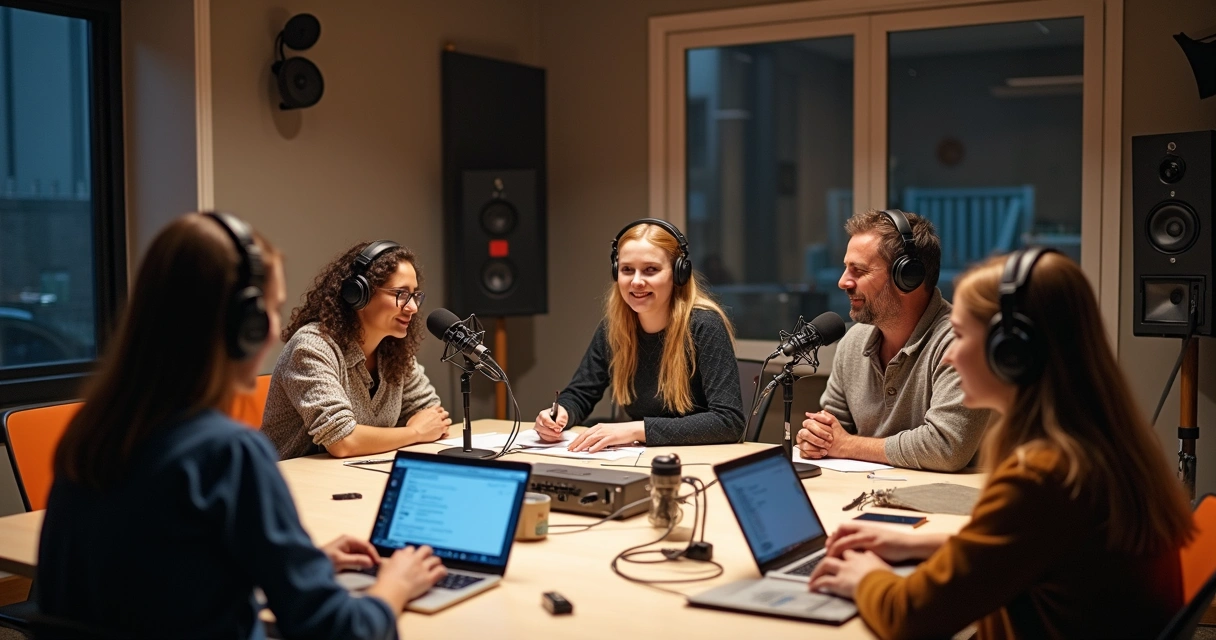
- Audios – Podcasts, audiograms, and even audio responses make content feel closer and more human.
Short videos have become especially influential, to the point that platforms reward those who excel in this format. Not surprisingly, tools like VDClip automate cuts, captions, and curation to facilitate production.
Currently, professional creators account for about 36% of interactions on digital networks globally. Between 2023 and 2024, engagement with Reels in Brazil grew 49%, and on TikTok, content production rose 27% in the same period (Comscore data).
 Step by step: how to become a content creator
 Step by step: how to become a content creator
For those who wish to professionalize in content creation for social media, preparation makes all the difference. See below the steps to transform your creativity into a relevant digital presence:
1. Choose your niche and main channel
A consistent audience arises from well-defined topics. The first step is to identify a subject aligned with your experience and personality:
- Healthy and low-cost food;
- Business coaching for podcasters;
- Budget travel focused on culture;
- Humor about the daily life of small entrepreneurs;
- Technology reviews for beginners.
Next, define which social networks to concentrate your efforts on. Instagram, TikTok, and YouTube are common choices among beginners, but professionals often diversify based on audience data and commercial objectives.
2. Set up a professional mini-studio while respecting your budget
Having an adaptable studio can greatly impact the perceived quality of content. However, it’s essential to move away from the idea that only expensive equipment is sufficient. Ideally, invest in the basics:
- A mobile phone with a good camera (starting from 1080p works well);
- A lapel or external condenser microphone, especially if audio is a highlight;
- Simple recording or editing software, like VDClip to transform long content into short videos with automatic cuts and captions.
- Soft lighting (ring light or diffused white bulbs).
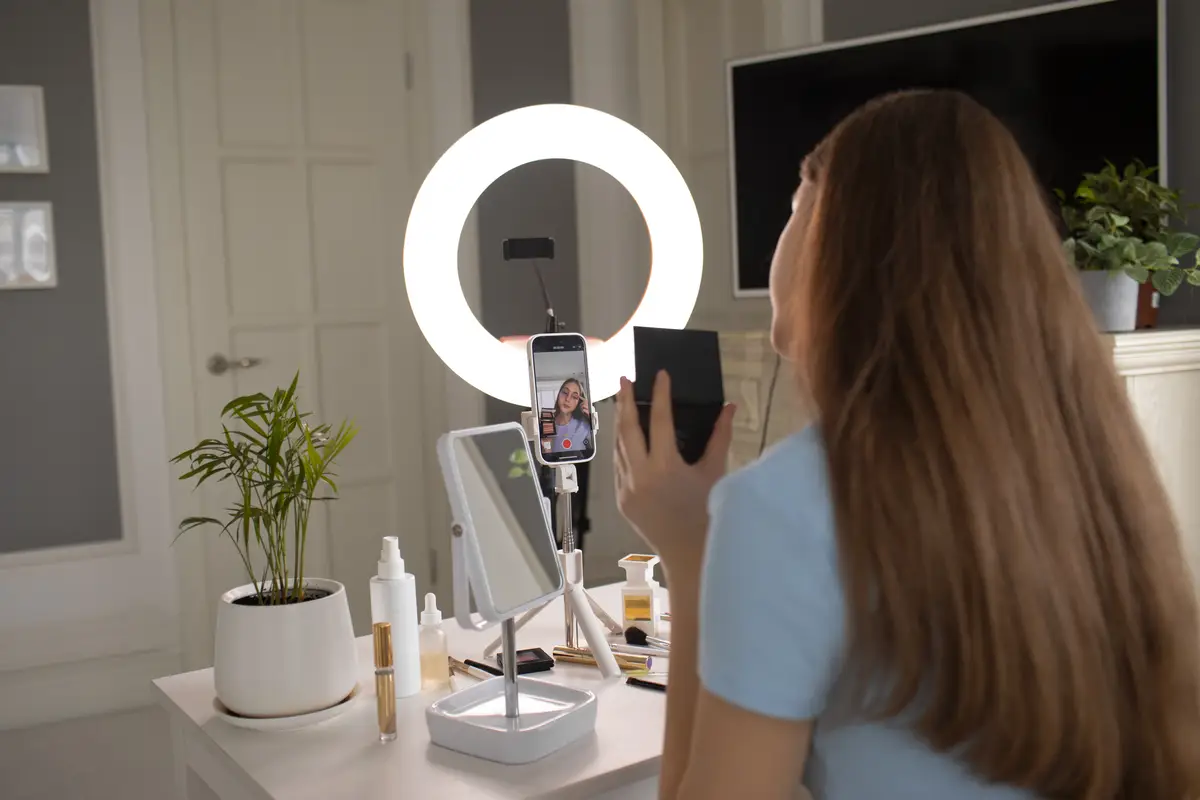 In practice, many creators start in their living rooms or bedrooms. The secret lies in caring for lighting, framing, and audio clarity. For videos, explore educational series like how to post videos without an editor and take advantage of automated tools to speed up your routine.
3. Post consistently but healthily
The factor that differentiates growing profiles from stagnant ones is consistency.
Studies show that profiles that post at least seven times a week on Facebook experience real engagement growth, both in likes and organic reach (Comscore data).
However, not everyone has time for this frequency. It’s valid to adapt the schedule to one’s own pace, the most relevant thing is to show presence, responding, interacting, and maintaining closeness with followers.
Find a posting cadence that is sustainable for your routine.
4. Create your digital portfolio
A portfolio is the showcase for those who take content creation seriously. Gather representative publications, presenting the context, the results achieved (reach, engagement, viral content), and the creative differentials of each work.
An organized portfolio can be presented on personal websites, public profiles on Instagram, TikTok, or LinkedIn, or on specific digital content portfolio platforms. It serves as a business card for partnerships, events, and even job opportunities in agencies or brands.
5. Invest in networking and strategic partnerships
Collaboration among creators accelerates growth. Seeking friendships, partnerships, and exchanges with colleagues in the same niche is a way to create joint campaigns, collaborative challenges, and open doors to monetization programs on YouTube, TikTok, and Instagram.
Networking also expands one’s repertoire and inspires new ideas. Creator groups, events, and online forums are excellent starting points. The free checklist from The Social Snippet is a practical source to organize networking and expand your network.
6. Constantly analyze data and learn from other creators
Growth depends not only on creativity but also on analysis. Platforms provide data on peak times, engagement by format, and audience demographics.
Constantly reviewing these metrics indicates which content generates the most results on each channel. Additionally, observing the practices of successful creators helps adapt formats and narratives to what the audience values most.
To learn more about ideal formats, check out the article on the best short video format for social media.
Seven ways companies use creators in digital strategies
 Seven ways companies use creators in digital strategies
The work of creators is essential for brands that want to generate relevance on social media. Here are strategies that yield the best results for companies investing in content creation:
- Educational content Marketing professionals point to tutorials, “how to use” guides, and quick tips as favorites. When the creator demonstrates a product or service in their unique style, the chance of sparking interest grows substantially.
- Unboxing and reveal videos One in five consumers watches this type of video before making a purchase decision. The format conveys authentic emotions and generates curiosity about new products or launches.
- Testimonials and reviews Research shows that 88% of consumers read at least three reviews before closing a deal. For 46%, reviews are more trustworthy than recommendations from friends.
- Challenges and promotional giveaways By asking followers to comment, tag friends, or subscribe, companies increase reach, create buzz, and accelerate growth, especially during festive periods.
- Humor sketches and entertainment content Humor is timeless: sketches and jokes become memes and go viral, especially on entertainment-focused channels. Funny videos connect the audience to the brand in a light and spontaneous way.
- Behind-the-scenes content Showing what happens “behind the scenes” brings the consumer closer to the product. Examples like “get ready with me” help in promoting beauty items and reinforce authenticity.
- Opinions and comments on trending topics Creators who comment on trends or news, using their image, generate identification and viral conversations relevant to brands.
By understanding how these strategies work, it becomes clearer to decide which formats and approaches to use in the publication routine.
 Recommended tools for beginner and advanced creators
 Recommended tools for beginner and advanced creators
Automation and practicality are essential. The creator can grow using digital tools that expedite steps and allow time-saving:
- VDClip.com: A Brazilian platform for automatic video cutting, curation of the best moments, automatic captions, facial tracking, and suggestions for hashtags and titles, all in minutes and without prior editing experience;
- Riverside: video recording in up to 4K, features to split and trim long videos into short clips;
- Buffer: a tool to schedule posts, suggest optimal timing, and obtain insights through artificial intelligence;
- Canva: a simple visual design solution to create posts, images, videos, and stories, also with integrated AI functions.
Other tips to improve editing and save time can be read in the article on video editing with artificial intelligence.
Practices that increase engagement on social media
It’s not enough to “post often”: details make a difference for content to gain reach and provoke real interaction:
- Excel in the first three seconds of the video – this is where many users decide whether to continue watching;
- Ensure clear audio and video, even without expensive equipment;
- Use relevant keywords in captions and descriptions, increasing your chances of appearing in searches;
- Transform long videos into short clips to broaden reach (VDClip simplifies this process significantly);
- Be cautious with copyright: always check music, images, and texts before posting.
Extra timing tips: from Monday to Friday, prioritize Instagram posts from 6 PM to 10 PM, Facebook from 10 AM to 2 PM, X from 12 PM to 3 PM and 6 PM to 9 PM. On weekends, interactions increase from 10 AM. Short video trends for 2026 reinforce the growth of quick and customizable formats.
How much does a content creator earn?
Payment varies significantly depending on experience, niche, engagement, format, and region. On average, amounts range from $15 per hour for small projects to figures above $100/hour for special campaigns, especially in the international market.
Besides hourly pay, there are opportunities paid per project, commission, or participation in one-off campaigns, not to mention affiliate marketing and indirect sales via sponsored links.
Creator, influencer, or just a hobby?
While some people confuse the terms, it’s important to know:
- Social content creator – This is someone who produces for brands, projects, and companies, generally focusing on partnerships and professionalization;
- Digital influencer – Focused on their own image, builds an audience, and usually does sponsored posts aimed at product recommendations, causes, and personal experiences.
Many start as a hobby but stand out due to their mastery of tools and the evolution of content quality. In large companies, creators can be hired full-time, but the vast majority continue to work on a project, participation, or commission basis.
By choosing the right niche and using specialized platforms, it is possible to grow and even make a living from digital production.
Complementary reading and constant inspiration
 Complementary reading and constant inspiration
The content creation universe is always changing. To remain relevant, the creator needs to seek references in articles, forums, and guides about tools, short video trends, production for companies, and digital marketing strategies.
- Software to facilitate video creation and editing;
- Tools for social video with integration to multiple networks;
- Sales strategies from Reels and TikTok;
- New detailed guides on creation and marketing for social media.
For monetization strategies, check the article on strategies to sell with Reels and TikTok.
Conclusion
Creating content for social media goes far beyond impulsively posting something. It is about planning, learning, experimenting with different formats, investing in training, and building a relevant presence. Professionals who combine consistency, data analysis, and creativity reap results, and the best shortcuts to grow involve using automated tools, such as VDClip.com, which simplifies cuts, captions, and suggestions for faster engagement.
If the idea is to transform ideas into videos that connect people, test new strategies, and learn every day, knowing VDClip is the next natural step to speed up your production and gain an audience. Visit vdclip.com and feel the difference of creating in a simple, practical, and innovative way.
Frequently asked questions about content creation for social media
What is content for social media?
Content for social media is any publication made on digital platforms, such as videos, images, texts, or audios, aimed at attracting, engaging, informing, or entertaining an audience. It can be produced by individuals, companies, or organizations, for personal, professional, or commercial purposes.
How do I create a publication calendar?
To create an effective publication calendar, the creator should define themes, formats, and weekly frequency, organizing everything in a digital agenda or spreadsheet. It is recommended to align each piece of content with relevant dates in the niche and the best times according to the engagement data of the audience. Scheduling tools like Buffer assist with this organization and suggest optimal posting times.
What are the best content formats?
There is no single best format; it all depends on the audience and the objective. However, short videos currently lead in audience engagement, especially Reels on Instagram, Shorts on YouTube, and TikToks. Impactful images, explanatory carousels, short podcasts, and direct texts also perform well when adapted to the right platform and the audience’s interests.
Is it worth using editing tools?
Yes. Editing tools simplify production and save time, making it possible to transform long videos into short, captioned, and attractive content for social media. Platforms like VDClip allow even beginners to make automatic cuts, add captions, and export optimized videos in minutes.
How do I measure results on social media?
Results are measured through metrics such as views, reach, likes, shares, clicks, and comments. Platforms offer their own data dashboards (Instagram Insights, YouTube Studio, TikTok Analytics) where the creator tracks growth and identifies peak times, formats, and content that have high engagement.