What is the best time to post on YouTube? Practical guide 2024
Any content creator has asked this question: after all, is there really a “golden hour” to post videos on YouTube? And if there is, how can you find it? Or is this just a myth, and nothing beats creative, well-edited videos released at any moment of the day?
The search for the answer traverses not only blogs and creator groups but also a myriad of personal tests, charts, spreadsheets, and even that intuition that says, “go ahead, post now!” However, for 2024, detailed data, accounts from those who grew quickly, and analyses from specialized platforms offer a renewed perspective on the right moment to hit the upload button or schedule your content.
In this practical guide, the truth will be exposed: the best time to post depends greatly on the audience, but also on video consumption habits in Brazil, the characteristics of formats (long or Shorts), consistency, and the creator’s ability to extract insights from their own data. By the end of this reading, it will be impossible to view video scheduling the same way.
What do the latest data say?
For years, tips and guesses about ideal posting times dominated conversations. However, in 2024, a comprehensive analysis conducted by Buffer, based on 1.8 million published videos, shed light on actual audience behavior in Brazil on YouTube.
- Sunday at 10 AM: The absolute champion for long videos. The audience is more relaxed, with available time. Maximum attraction for videos of 5, 15, or 30 minutes.
- Monday, Tuesday, and Friday at noon: Very strong times, especially for entertainment and “watch during breaks” or lunch content.
- Wednesday and Thursday, weaker: These days mark a decline in long video consumption. For many creators, these are days of lower engagement.
- Windows between 8 AM and 12 PM: This interval is recommended for uploads, with possibilities of fitting in at the start of business hours or during the morning.
Sunday morning offers the highest chances of visibility for long videos.
But, of course, the final word always belongs to your own followers, and it is about this personalized analysis that the strategy of those who grow quickly revolves.
Why understanding your audience makes a difference?
Imagine a channel focused on technical subjects, with an audience primarily composed of students? The consumption habits of this audience will differ from those who follow travel vlogs, or lighter content, or children’s videos.
Therefore, the blind choice of a “universal time” rarely yields consistent results. Each audience interacts with YouTube at different times and days, typically following patterns of routine, profession, school hours, and even leisure.
According to experiences from various Brazilian creators, the secret lies in identifying patterns in Analytics after a series of uploads at different times. This observation is invaluable and allows you to tailor your posting schedule according to your audience.
How to use YouTube Analytics to discover the best time?
In Analytics, there is a particularly valuable graph: the famous “When your viewers are on YouTube.” With it, you can visualize, day by day and hour by hour, when the concentration of audience is highest on the platform.
- Darker times: Correspond to the moments of highest activity of both subscribers and non-subscribers visiting the channel.
- Publishing 1 to 3 hours before the peak: This allows the algorithm to process and index, enhancing delivery at the exact moment of highest traffic.
- Analyze initial performance: Observing views, watch time, and CTR in the first hours can reveal quick insights and opportunities for future postings.
Analytics does not provide ready answers but valuable clues to adjust strategies.
Adopting this investigative culture, week after week, helps any channel advance many months in understanding its own audience.
Shorts: timings, habits, and delayed viral potential
Shorts have their peculiarities. Made for quick mobile consumption, they concentrate peaks of views during considered “free” times: breaks, public transport, mornings, and evenings.
- 12 PM to 3 PM: Lunch hour, commuting, break time.
- 7 PM to 10 PM: Arrival home, leisure, more intense cell phone usage.
- Shorts can go viral after hours or even days. Timing in Shorts doesn’t guarantee immediate success but enhances the start and recurrence in users’ feeds.
Many creators point out that posting Shorts as a “warm-up” for long videos works very well: the channel thrives with peaks throughout the day, keeping the audience active and even boosting future uploads.
 As many accounts have reinforced, frequency and consistency are more productive than an exhaustive search for a “magic moment” to post. In the words of an experienced creator: “The Shorts that went viral on my channel took off only two days later. The important thing was to be posting consistently. The algorithm loves that.”
Different times for each type of video? Yes, it works!
Trends show that educational, tutorial, or institutional content performs better in the morning when the brain is more rested and receptive to new ideas.
On the other hand, heavy entertainment, memes, and behind-the-scenes Shorts explode in the early evening, a time for relaxation, laughter, and unwinding. This division is repeated: those dealing with infotainment (information + entertainment) obtain good peaks at noon and at the end of the day.
Adapting the publication to the type of content contributes to retention and even more shares.
Testing times: the experiment every channel needs to do
It is common to hear inspiring stories like, “I changed the time and doubled my views.” Indeed, those who move from theory to real testing often see improvements, but only with a method.
- Choose a time based on initial data or the main suggested intervals.
- Post during a few weeks, always at those times, monitoring Analytics (views, watch time, and CTR in the first hours).
- Compare performance and, if necessary, change the time for another 2-3 weeks.
- Adjust and refine until identifying the actual strongest window for the channel.
A well-executed test generates lessons that are valuable throughout the journey.
This cycle of experimentation can be facilitated by using platforms like automatic video scheduling with AI from VDClip, which allows you to schedule uploads, test formats, and maintain consistency without external dependencies.
Scheduling and workflow: the secret to consistency
Maintaining a posting routine without stress invariably involves creating a practical production flow:
- Record videos in batches to edit and cut at different times.
- Use automatic editing tools, such as smart cutting with AI, which speed up and refine results.
- Add automatic captions, as many users watch videos without sound.
- Transform long videos into several Shorts ready to be distributed throughout the day.
- Plan the schedule: for example, launch a Short as a “warm-up” in the afternoon and a long video right after.
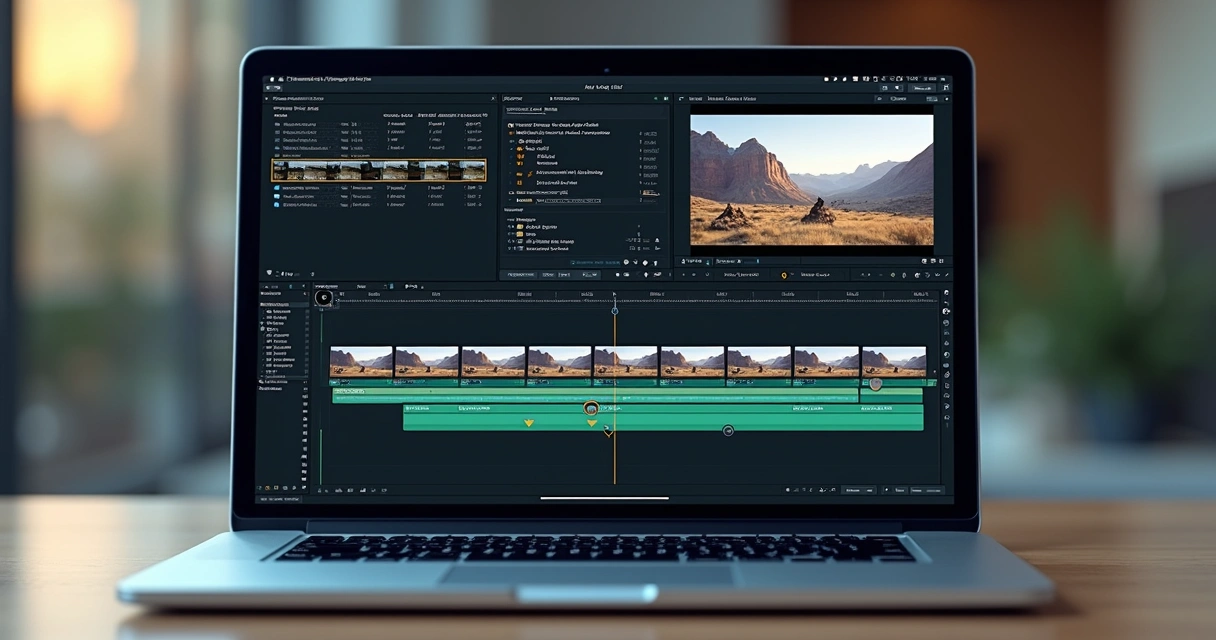 This system ensures a regular chain of uploads, without loss of quality or frequency. And VDClip, besides automating almost this entire workflow, also suggests more promising times to post, titles, captions, and much more, as already highlighted in practical tips for posting without an editor.
Common mistakes when seeking the best time to post
During the process, some missteps can hinder results, even with good videos:
- Changing the strategy every week, without creating a sequence that allows real comparison.
- Ignoring native data from the channel, relying only on external trends.
- Always posting at the peak maximum, without considering the algorithm’s indexing time (it is recommended to post 1 to 3 hours before peak traffic).
- Focusing too much on the time and forgetting about the content, the quality of cuts, and editing.
Consistent content, with quality and regularity, will always be more relevant than an upload made “at the exact moment”, but without genuine impact on the audience.
From a single video to an active channel all the time
The big secret: transform a long video into multiple contents, Shorts, cuts, teasers, snippets, and space these releases over one or more days.
This trick keeps the channel in the spotlight, generates frequent notifications, activates different audiences at various times, and also maximizes the reach of the original material.
Tools like VDClip for creators make this process simple, as generating cuts, captions, vertical or horizontal formats, and scheduling uploads happens in minutes, without requiring prior editing experience.
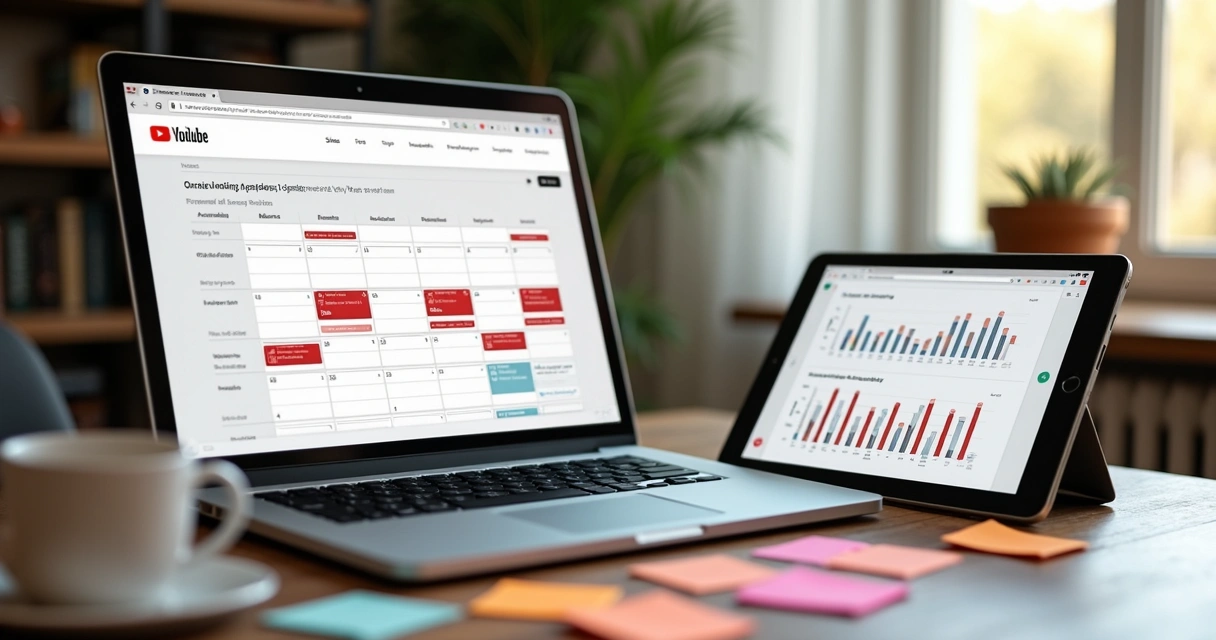 In a way, the channel stops being at the mercy of a single big launch. It starts to work the various “layers” of the YouTube algorithm, impacting viewer groups throughout the 24 hours.
Practical summary: what is the best time to start?
- Long videos (Long-form): Sundays at 10 AM, the strongest option, followed by Monday, Tuesday, and Friday at noon.
- Shorts: Between 12 PM and 3 PM or between 7 PM and 10 PM, offering the highest chance of immediate traffic on mobile phones.
- Alternative times: Test mornings for educational themes and evenings for entertainment.
- Consistency and analysis: Regularity weighs more than finding the perfect day. Test, compare, adjust, repeat.
No time works miracles. Engaging video, agile workflow, and analyzed data drive growth.
How VDClip can help in this routine?
For those who want to accelerate growth on YouTube, save time, and test new time approaches, VDClip is a strategic partner.
The platform performs automatic cuts, creates Shorts, generates captions, title suggestions, and schedules video uploads with just a few clicks, integrating directly with your workflow. This eliminates the hassle of lengthy edits and allows the creator to focus where it matters: content, analysis, and consistency.
If the goal is to maintain regularity, transform a long video into various Shorts, schedule uploads at the best times for each audience, and quickly monitor performance, VDClip delivers all this in minutes, as already detailed in automatic editing with AI.
Conclusion: data, routine, and creativity combination surpass any perfect time
In the end, the best initial time to publish long videos on YouTube in 2024 is Sunday at 10 AM, while Shorts peak between 12 PM and 3 PM or during the evening. But the most visible difference appears when the creator:
- Tests different times, checks Analytics focusing on initial results, and adjusts based on real responses.
- Creates a regular production system, leveraging the same material for various formats and keeping the channel always active.
- Uses automatic tools and workflows like VDClip, betting on smart cuts, captions, titles, and scheduling.
- Never sacrifices quality for speed and does not fall into the trap of posting just to post, after all, poor content is not saved by any time.
Therefore, for those who want to grow genuinely, the key is to combine regularity and analysis with efficient production. This matters more than any magic tip from forums or videos promising “the secret” to going viral.
Now, anyone looking to test this new workflow in practice, transform long videos into varied content, and remain relevant at multiple times can try out VDClip and soar on YouTube, creating their upload routine intelligently.
Frequently asked questions about timings on YouTube
What is the best time to post videos?
According to recent research, the best time to publish long videos on YouTube is Sunday at 10 AM, with Monday, Tuesday, and Friday at noon also appearing as high-performance options. For Shorts, the time frames of 12 PM to 3 PM and 7 PM to 10 PM have the highest access peaks, reflecting viewers’ mobile usage habits.
How do I find the ideal time for me?
The ideal time is only discovered by monitoring the graph “When your viewers are on YouTube” in your channel’s Analytics, testing different posting windows, and evaluating initial performance (views, watch time, and CTR) after each upload. Maintaining this routine for a few weeks is the safest way to personalize your strategy and achieve consistent growth.
Does the time influence views?
Yes, the timing impacts the first hours of the video, as it can determine whether it will be quickly delivered to a larger base of subscribers and appear in more recommendations during peak audience times. However, quality, topic, and overall engagement weigh even more on long-term performance.
Should I post on weekends?
For many niches, especially entertainment themes and long videos, posting on Sunday mornings offers great chances for engagement. Saturdays can be less predictable and need testing, while Shorts perform well both on weekends and weekdays in the afternoon and evening.
How can I see the performance of my timings?
Monitoring should be done in YouTube Analytics, using filters to visualize performance by posting time, comparing metrics such as views in the first hours, CTR, and watch time. A simple spreadsheet, or even better, the automatic reporting system from VDClip, helps record, compare, and adjust strategies to achieve better results over time.