
In 2026, generating automatic subtitles has ceased to be a “nice-to-have” feature and has become an integral part of the workflow for anyone publishing video frequently. Creators, brands, agencies, podcasters, and cut channels all face the same scenario: lots of content, little time, and a tough competition for attention. In this context, the search for an AI subtitle tool to generate automatic subtitles for videos is growing because it solves a real problem. It saves hours and helps the content to be ready for social media.
Automatic subtitles with AI are, today, a bridge between accessibility, retention, and publishing speed.
Anyone who has tried to subtitle everything manually knows the scene. The video is good, the cut works, the message is clear, but the transcription stage halts the delivery. In many cases, the material is uploaded without subtitles. In others, it simply gets delayed. And delay, in short content, costs reach.
At the same time, technology has matured. Speech recognition models have improved, tools now detect pauses, intonation, and changes in speaker, and more modern platforms already combine subtitles, cuts, framing, and publication in one place. It is at this point that solutions like VDClip gain traction in the Brazilian market because the user does not want just text on the screen. They want a video ready to perform.
Why have automatic subtitles gained so much space?
A large part of video consumption occurs without sound, in public environments, or during parallel tasks. Subtitles help the audience understand the message in the first second. They also improve accessibility and broaden reach for people with hearing disabilities or for those who prefer to follow the content in silence.
Subtitled videos tend to hold attention better because they deliver immediate context, even without audio.
There is also a technical point. Digital platforms depend on signals of understanding of the content. When speech turns into text, it becomes easier to organize theme, context, and intent of the video. This helps in distribution, repurposing, and even translation.
Even so, there are limits. Research on automatic transcription in Portuguese shows that there are still flaws in accuracy and coherence, which reinforces the need for human review in many cases, as shown by studies on automatic summary and transcription generation from audiovisual content. The same line appears in guidelines from ENAP, which emphasizes the review of subtitles to ensure true accessibility in multimedia materials, according to the recommendations for reviewing automatic subtitles for inclusion.
Automating speeds up. Reviewing protects.
How AI Generates Automatic Subtitles for Videos
The process seems magical, but it follows very clear steps. First, the tool receives the audio from the video. Then, a speech recognition model transforms the speech into text. Next, the platform synchronizes this text with the exact timing of each segment. Finally, visual resources come in, such as font style, color, animation, line breaks, and on-screen position.
When the tool is more advanced, it also does:
- Identification of words with a higher chance of error
- Automatic punctuation based on natural pauses
- Separation into short blocks for quick reading
- Translation into other languages
- Adjustment of subtitle to vertical, square, or horizontal format
A good AI subtitle tool generating automatic subtitles for videos in Portuguese needs to understand accent, speech rhythm, and background noise.
In Brazil, this detail carries a lot of weight. The Portuguese spoken in short videos changes quite a bit from region to region. Add to this tracks, cuts, laughter, mediocre microphones, and rapid speech. The result is simple: not every solution gets it right in Portuguese.
What Makes a Difference in 2026
Today, the user does not only compare “who transcribes”. They compare the entire experience. What defines a good choice is the whole set.
Among the points that matter most are:
- Accuracy of transcription in Brazilian Portuguese
- Processing speed
- Simple editing of the subtitle before publication
- Ready visual models for social media
- Extra features, such as automatic cuts and face tracking
- Publication and scheduling within the platform itself
In practice, subtitles have ceased to be an isolated item. They are now part of the clip construction. Therefore, platforms like VDClip draw attention by combining automatic curation of the best moments, face-motion, face tracking, audio cleaning, internal editing, and subtitling in one flow. For those who publish frequently, this changes the routine.
 AI subtitle tool generating automatic subtitles for videos with higher quality
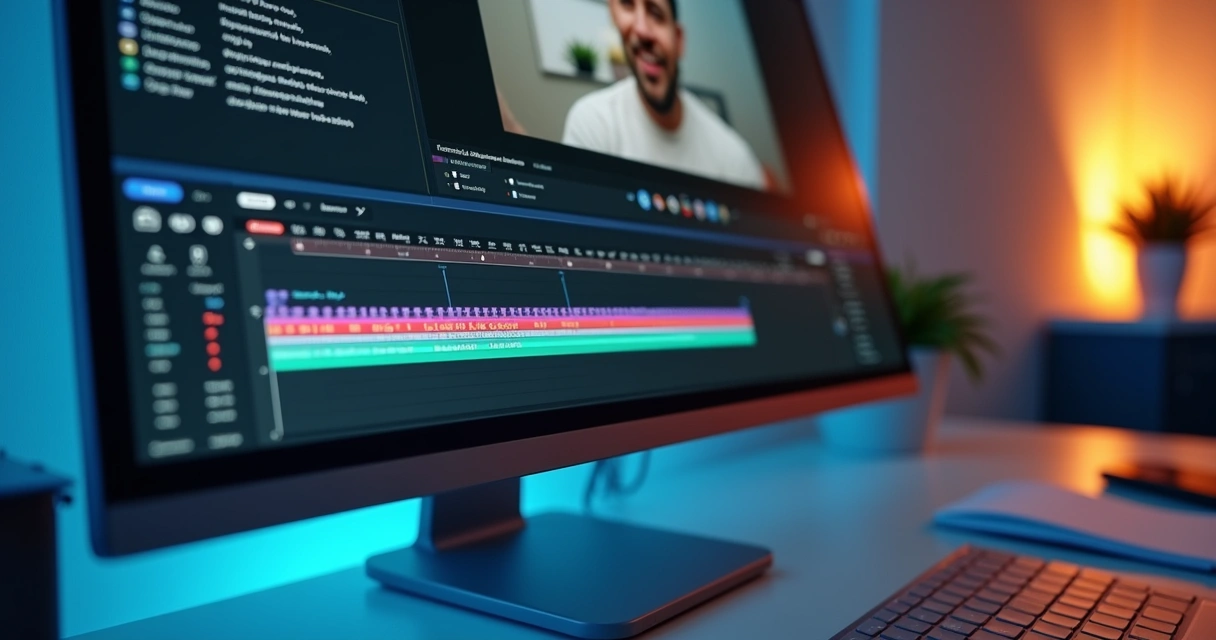 AI subtitle tool generating automatic subtitles for videos with higher quality
When the goal is to upload content quickly without losing quality, the best solution is usually a platform that was born for short video. This happens because the system does not just think about transcription. It thinks about the final result.
In the case of VDClip, for example, the process tends to be more straightforward. The user uploads a long video, the AI identifies segments with more potential, generates cuts, creates synchronized subtitles, maintains focus on the face with tracking, and still allows for refinement in a professional editor within the platform itself. After that, the content can be posted or scheduled in bulk across social media.
When subtitles, cuts, and distribution stay in the same environment, the work flows better and the video comes out more consistent.
Anyone wanting to understand this flow can see how automatic subtitles generation with AI works and also the resources for automatic video editing with AI. For fast-consumption content, the page on automatic subtitles in short videos helps visualize the use in daily life.
Where Most Tools Still Fail
Even with significant advances, there are still common failures. They appear more in videos recorded outside of a studio, in podcasts with more than one participant, or in segments with background music.
The most common problems are:
- Confusion of similar words in spoken Portuguese
- Artificial punctuation that changes the meaning of the sentence
- Poor line breaks for reading on mobile
- Delayed synchronization in rapid speech
- Errors with proper names, acronyms, and technical terms
This explains why it is still worth reviewing. A news item about the arrival of automatic subtitles in videos on a major social network reinforced this very point: the function broadens access, but quality can vary and review is still recommended, as pointed out by the article on automatic subtitles in various languages, including Portuguese.
How to Choose a Solution Without Wasting Resources
Many people make mistakes in their choice because they only look at the initial price. However, the real cost appears later. If the tool transcribes poorly, requires too many adjustments, or forces the user to export to another editor, the cheap option becomes expensive.
A good evaluation can follow this order:
- Test the accuracy in Portuguese with a real video, not with perfect audio.
- Check if the platform allows editing text, timing, and style in the same panel.
- Verify if there is support for short formats, such as 9:16.
- Look for extra features that eliminate steps, such as cuts and templates.
- Compare the total time until publication, not just the transcription time.
The best choice is not always the one that generates the subtitle the fastest, but the one that delivers the finished video with less rework.
This is why a national service can make a difference. VDClip aligns with the routine of those who create in Brazil. In addition to subtitles, it offers a brand kit with logo, intro, transitions, b-roll, emojis, and audio cleaning. This set helps maintain visual standards without requiring a heavy operation.
OpenAI Whisper and the Advancement of Speech Models
When someone searches for the OpenAI Whisper subtitle tool, they are actually trying to understand the engine behind many current solutions. Whisper has become known for expanding access to speech recognition models that perform well in multiple languages. It has helped propel the conversation about automatic transcription to a new level.
But there is one point that often goes unnoticed. A speech model, by itself, does not solve all the work. It transcribes. However, the creator still needs to organize the subtitle, review errors, format the reading, adjust the timing, and turn that into a publishable video.
Transcription model and publication platform are different things, even when they work together.
Therefore, in 2026, the trend is clear: more complete solutions become more useful for those who need volume. The user wants a strong speech recognition base, but they also want an editor, intelligent cuts, and ready output for social media.
AI subtitle tool generating automatic subtitles for videos in Portuguese
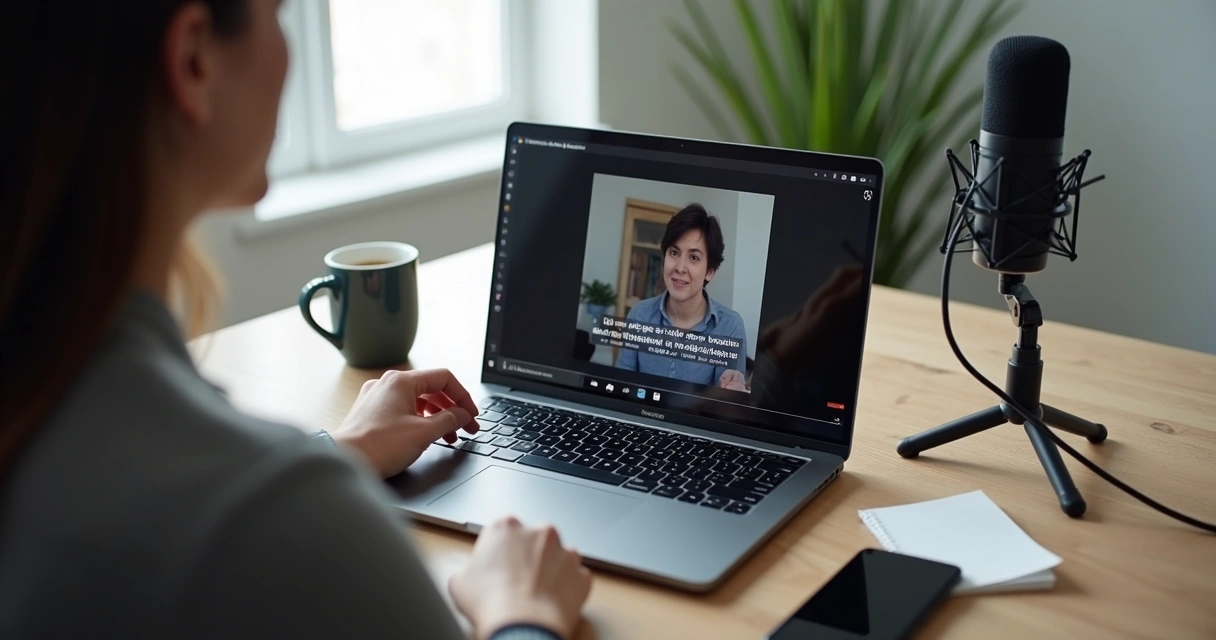 AI subtitle tool generating automatic subtitles for videos in Portuguese
This point deserves special attention. Brazilian Portuguese brings contractions, slight regionalisms, fast talk, and very frequent rhythm changes. In opinion, reaction, or storytelling videos, this appears even more. Those who work with content know. The spoken phrase does not always fit well in text if the break is poor.
A good AI subtitle tool generating automatic subtitles for videos in Portuguese needs to handle four fronts:
- Understanding of natural Brazilian speech
- Readable punctuation for mobile
- Good synchronization in short and fast videos
- Simple editing for final correction
In the local market, VDClip’s differential is precisely in uniting this understanding of Portuguese with editing resources designed for social media. The user does not need to leave one screen to subtitle and go to another screen to refine the clip. In practice, this reduces friction.
For those wanting to apply this to their own videos, the page on adding automatic subtitles to videos shows a direct path. For those also publishing in English or serving mixed audiences, it makes sense to know the flow of automatic video subtitles.
Beyond Subtitles: What Accelerates the Publishing Routine
In many cases, subtitles are not the biggest bottleneck. The biggest bottleneck is the collection of small tasks between the raw video and the final post. Cutting, framing, cleaning audio, highlighting segments, applying visual identity, reviewing text, exporting, and publishing. All of this combined consumes hours.
This is where platforms with more mature AI make a difference in daily life. When the system identifies the best moments of a long video, tracks the face in the scene, suggests cutting structure, and offers personalized templates, the process shortens without sacrificing quality.
A good video does not just come from transcription. It comes from the flow.
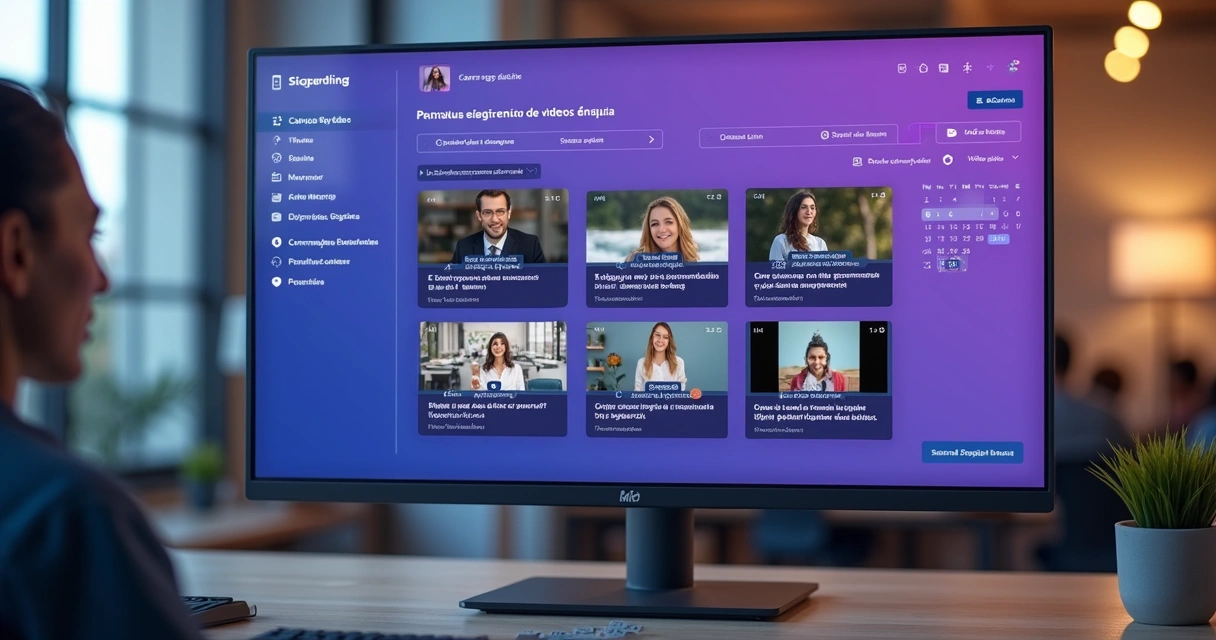
In the case of VDClip, the editor directly in the platform allows for this final refinement without switching tools. The user adjusts subtitles, adds logos, intros, transitions, emojis, b-roll, and gives the video the brand’s look. After that, they can organize bulk publication. For agencies, cut channels, and marketing teams, this is significant.
How to Generate Automatic Subtitles with AI in Practice
For those wanting a simple step-by-step, the process in 2026 usually follows a straightforward logic.
- Upload the raw video or paste the source material into the chosen platform.
- Select the main language of speech, preferably Brazilian Portuguese.
- Generate the automatic transcription and wait for synchronization.
- Review names, specific terms, and segments with noise.
- Choose the visual style of the subtitles, thinking about the format of the network.
- Refine the video with cuts, framing, and branding elements.
- Export or schedule the publication.
The real gain appears when automatic subtitles become part of a repeatable process, not an isolated task.
It was this type of flow that opened space for platforms like VDClip in the Brazilian market. Instead of treating subtitles as a detail, it treats subtitles as part of the video that needs to be ready for reach, clarity, and consistency.
Conclusion
 Conclusion
Generating automatic subtitles with AI in 2026 is no longer just a way to save time. It is a choice that affects reach, readability, inclusion, and publication pace. The technology has indeed improved. But what truly separates a good experience from a tiring one is the union between transcription, editing, and distribution.
Those who publish videos frequently need a solution that understands Portuguese, reduces rework, and delivers results ready for social media.
That is why a Brazilian platform like VDClip tends to make sense for creators, companies, and teams that need to transform long videos into short cuts with subtitles, face-motion, face tracking, visual identity, and scheduled posting. For those wanting to better understand this flow and apply it to their own content, it’s worth visiting VDClip.com and seeing how the platform can integrate automatic subtitles into a simpler and faster routine.
Frequently Asked Questions
What is an AI subtitle tool?
An AI subtitle tool is a system that transforms speech into text and synchronizes that text with the video. In many cases, it also allows editing words, adjusting timing, translating languages, and applying visual styles. It automates the most repetitive part of subtitling and reduces manual work.
How to generate automatic subtitles for videos?
The process usually starts with uploading the video to a platform with speech recognition. Then, the AI transcribes the audio, synchronizes the speech, and creates subtitle blocks. Next, the user reviews any errors, chooses the visual style, and exports. In platforms like VDClip, this path can also include automatic cuts, framing adjustments, and publication.
What are the best automatic subtitle tools?
The best ones are those that deliver good transcription in Portuguese, simple review, reliable synchronization, and editing resources that avoid rework. For the Brazilian audience, it’s worth paying close attention to solutions that already combine subtitles, cuts, and publication in the same flow. When the platform understands the routine of short videos, the gain appears in the final result.
Is it worth using AI for subtitles?
Yes, it is worth it. AI speeds up production, helps with accessibility, and makes the process more viable for those publishing at volume. Still, some videos require human review, especially when there is noise, proper names, or very rapid speech. The best scenario is to combine automation with a final check before publication.
Where to find a free AI subtitle tool?
There are options with trials, entry-level plans, or limited free resources, but the user should observe the cost of rework. A free option that makes many mistakes can lead to wasted time. The best test is to use a real video and measure how much effort will still be needed until the content is ready for publication.