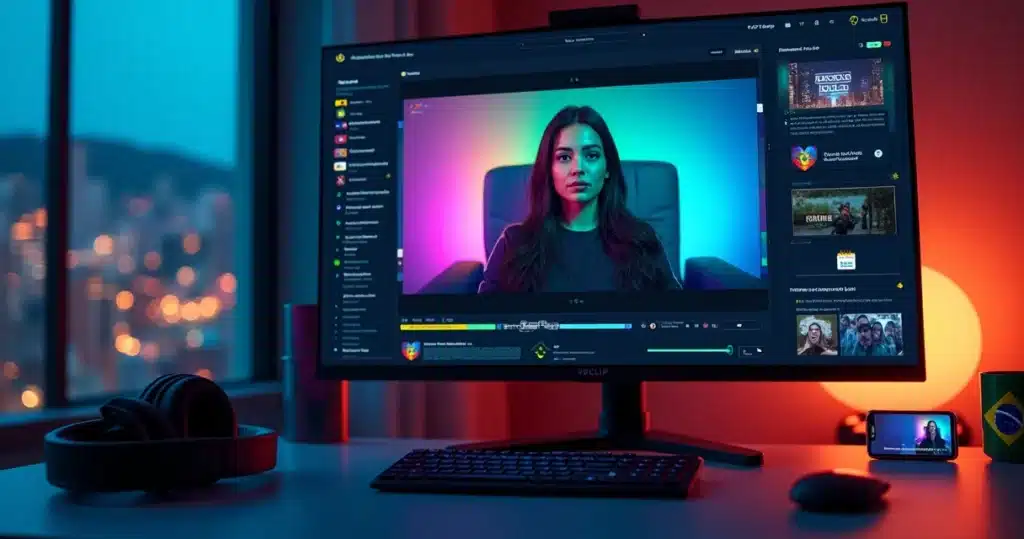
Anyone who publishes short videos has noticed a common scene. The content starts well, the speech is good, the editing is clean, but the audience leaves within the first few seconds. In many cases, the problem is not the topic. It’s the visual rhythm. That’s where synchronized emojis come in.
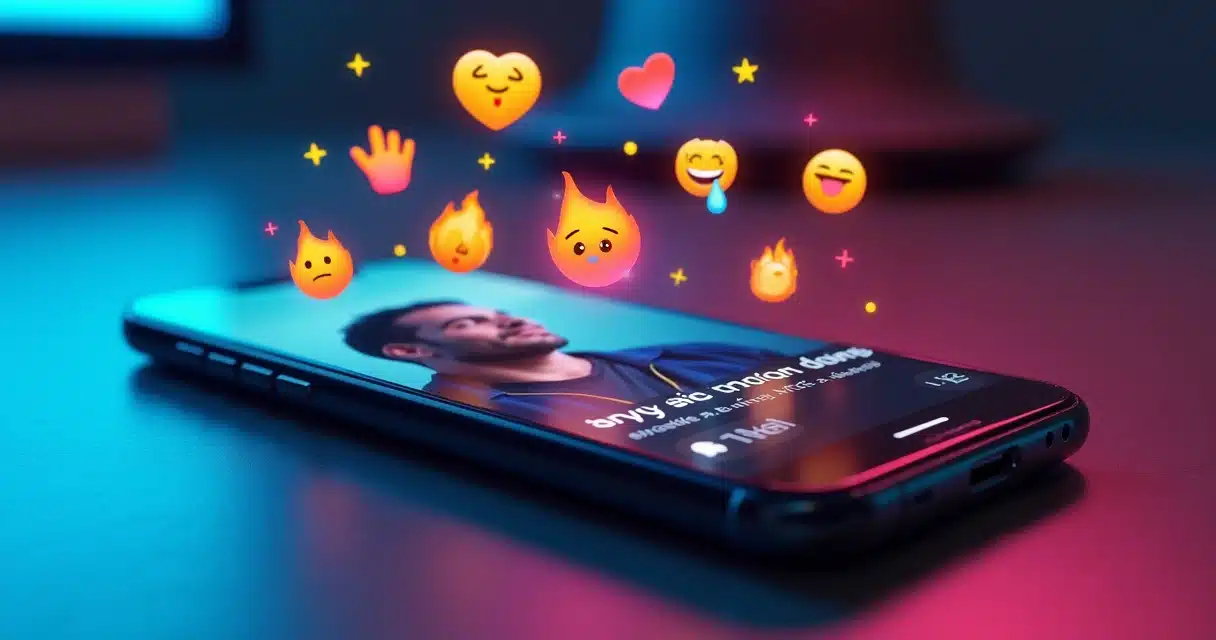
When an emoji appears at the exact moment of speech or action, it helps the brain grasp meaning faster.
This detail may seem small. It is not. In 2026, with crowded feeds, fast cuts, and competition for attention every second, immediate response visual resources make a difference in retention, CTR, and engagement. This applies to YouTube, Reels, Shorts, TikTok, and also to sales videos, classes, and edited podcasts.
Within the discussion about the importance of emojis in videos, attention retention, and titles for YouTube, there is a point that is often overlooked. The emoji does not serve just to “decorate.” It acts as emotional reinforcement, a marker of change, and a signal of focus. When well placed, it helps the audience understand the tone of the message effortlessly.
A creator might say, “this went wrong,” and in the same frame, an alert or frustration emoji appears. The brain does not need to wait for the sentence to finish to interpret the mood. The emotional reading happens almost simultaneously with the speech. This combination accelerates understanding and keeps the gaze on the screen.
What changes when the emoji enters at the right time
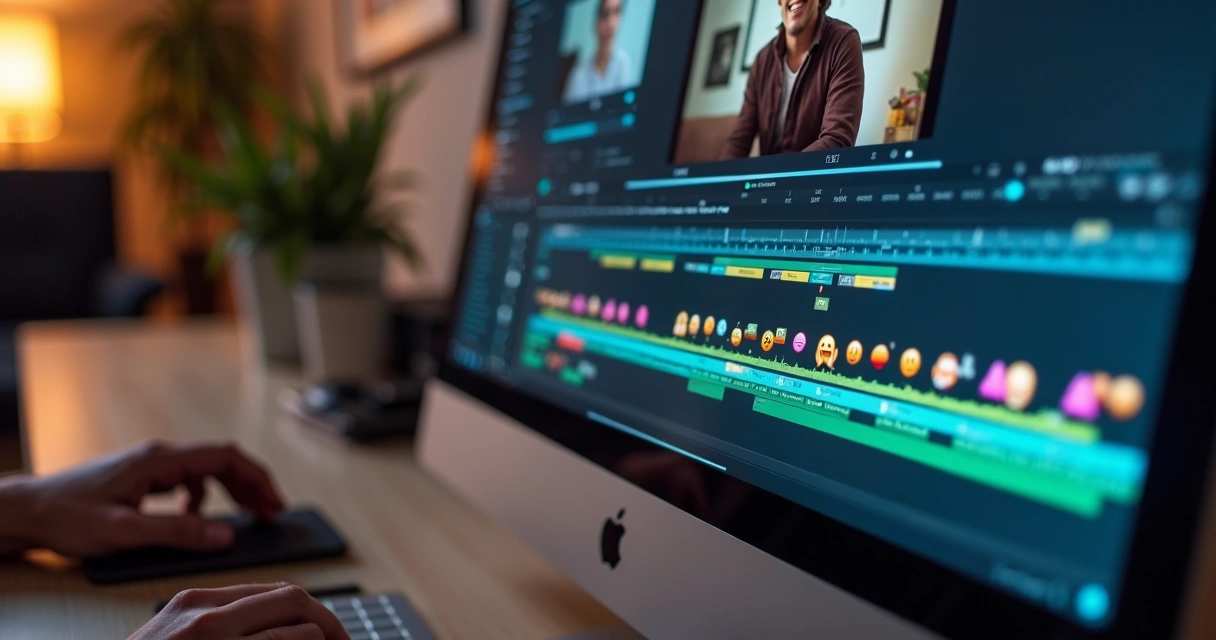
Not every emoji improves a video. The gain appears when there is synchronization. That is, when the symbol appears at the same instant as a keyword, facial expression, or visual action.
Synchronization generates reinforcement. Reinforcement generates quick understanding. Quick understanding reduces abandonment.
It’s a simple logic. If a person understands effortlessly, they continue watching. If they need to interpret everything on their own in milliseconds, the chance of sliding to the next video increases.
This type of editing resonates well with the current language of short videos. The audience already expects agile cuts, captions that guide reading, and elements that highlight the emotion of the scene. That’s why platforms like VDClip have started automating this process, inserting emojis, captions, and cuts with AI support to maintain focus on what grabs attention the most.
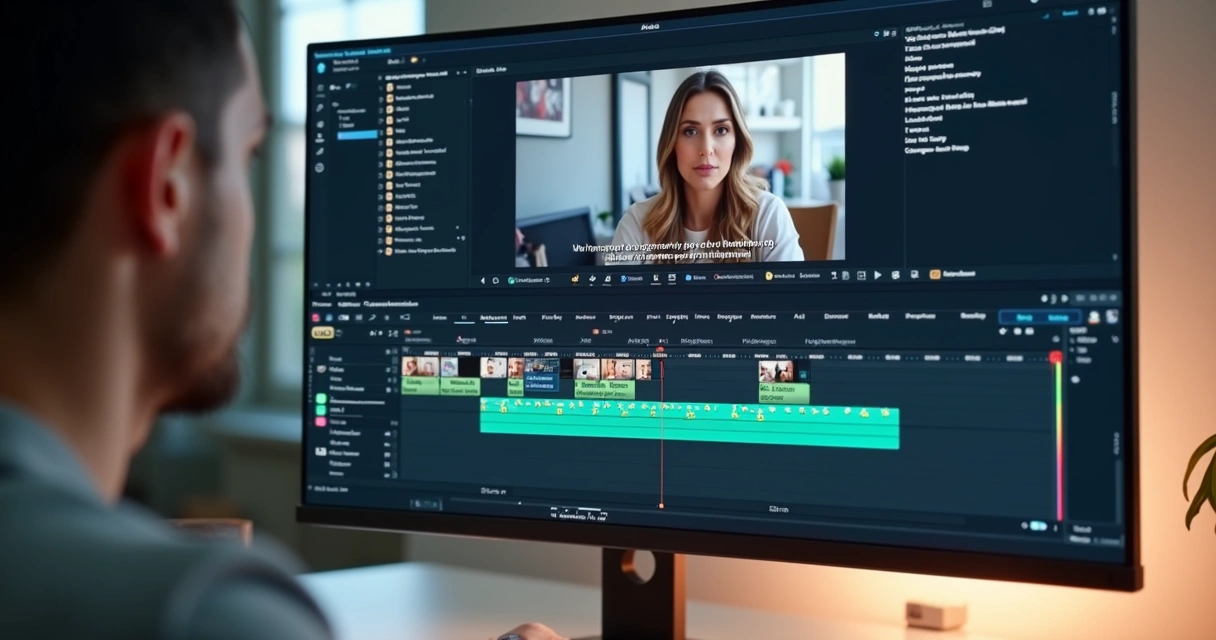
In an episode of a podcast transformed into a cut, for example, the excerpt may even be good. But without visual cues, it seems slower. With dynamic captions, face motion, face tracking, and emojis at the right time, the speech gains substance. The content becomes clearer and easier to follow.
The eye decides before reason.
The psychology behind visual attention
There’s a basis for this. A study with 315 participants on visual processing of facial emojis showed that these symbols receive priority in working visual memory and have attentional treatment similar to that of human faces. In practical terms, this suggests that facial emojis are perceived quickly and gain space in attention.
Facial emojis do not function as just any decoration. They are read by the brain with visual priority.
This helps understand why an emoji of surprise, laughter, doubt, or alert can work so well in video editing. It reaches the perceptual field quickly and signals emotion even before the speech is fully processed.
Another point appears in a study on emojis and visual literacy with young people from Minas Gerais. The results indicate that emojis help capture nuances of valence and emotional activation beyond traditional textual scales. In video, this matters a lot. The audience does not just want to understand what was said. They want to feel the tone at the same time.
For this reason, the psychology of emojis is linked to three factors:
- Reduction of emotional interpretation time
- Visual reinforcement of the main message
- Marking of turning points within the video
When these three factors appear together, the video gains a smoother reading. And fluidity retains.
Why this affects audience retention
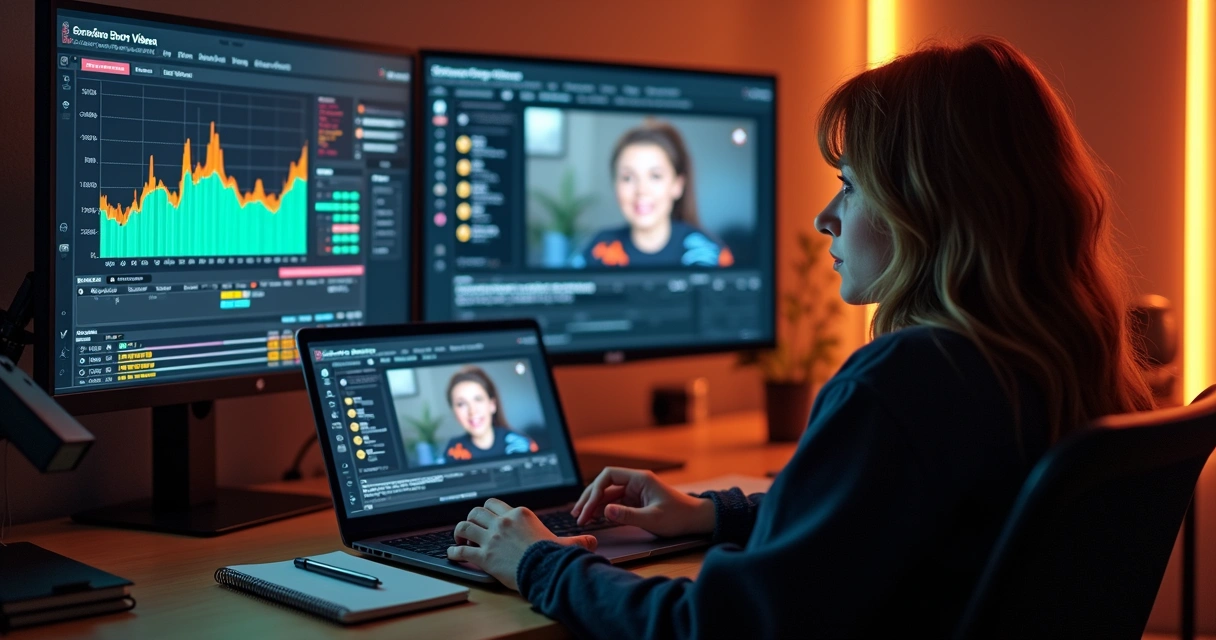
Retention does not depend solely on a good topic. It depends on micro-stimuli that prevent breaks in attention. Every second, the video needs to give a reason for the person to continue. A synchronized emoji can fulfill this role at very specific moments.
It can:
- Signal a joke before the punchline
- Reinforce an emotion in speech
- Highlight a impactful word
- Indicate error, correctness, surprise, or urgency
- Break the visual monotony of a static shot
In cut videos, this weighs even more. The base is usually a face speaking. If there’s no visual variation, the retention curve drops early. An experienced editor already notices this in audience behavior. The video may start with a click, but does not hold.
Well-used emojis create mini peaks of attention throughout the narrative.
These mini peaks function as visual reminders that something is happening. They do not replace the script, of course. But they help guide attention between one phrase and another. In the case of VDClip, this logic integrates with other resources, such as automatic captions, audio cleaning, b-roll, and a professional editor within the platform, allowing for refined use of emojis without making the video feel artificial.
Anyone wanting to better understand how short videos gain more reach with data-driven editing can check this content about short videos with AI for engagement and reach.
 Emojis also help with clicks
 Emojis also help with clicks
Talking about retention without mentioning clicks leaves the analysis incomplete. The video needs to be opened before it can be watched. At this point, the emoji can influence title, thumbnail, and initial perception of the content.
A study from Singapore Management University on titles in short video platforms found evidence of a significant increase in likes and comments when titles included emojis. This effect suggests that well-chosen graphic elements can favor engagement and CTR.
In titles, the emoji functions as a visual trigger for reading, as long as it aligns with the promise of the video.
On YouTube, this needs to be used carefully. A title with too many emojis seems gimmicky. A title without any visual highlights can get lost among dozens of options. The best approach is often to use it sparingly, linked to the theme and the main emotion of the video.
Some cases where this works include:
- Error or correction videos with alert emoji
- Reaction content with surprise emoji
- Tutorials with tip or confirmation emoji
- Behind-the-scenes videos with an emoji that suggests curiosity
However, the right click comes from coherence. If the title promises tension and the video delivers a light tone, retention sinks. The emoji can attract. But it only holds when the visual promise matches the actual experience.
When excess becomes a hindrance
There’s a common mistake. Upon discovering that emojis attract attention, many people try to place a symbol in every sentence, every caption, and every title. The result is usually the opposite.
Excess tires. And conveys a sense of noise.
The best emoji is the one that appears at the right moment, not the one that appears all the time.
This care applies to three areas:
- Video editing
- Titles and thumbnails
- On-screen captions
In editing, the emoji should mark points of value. In titles, it should highlight without cluttering. In captions, it should reinforce the emotion of the word, not replace reading.
A good practical reference lies in cutting errors that derail performance. This article on common cutting errors in social media videos helps to recognize why visual excesses and lack of rhythm can diminish retention.
How to apply this in short videos in 2026
The strongest trends of 2026 point to faster videos, immediate visual reading, and editing that keeps pace with speech almost in real-time. The synchronized emoji fits into this scenario as part of a more responsive language.
Today, the most prominent formats usually combine:
- Hook opening within 2 seconds
- Dynamic captions highlighting words
- Digital camera movement or face motion
- Change of framing to maintain focus
- Short visual elements, including emojis, icons, and reactions
It’s not about filling the screen. It’s about giving rhythm. In an interview cut, for example, a well-placed emoji at the exact second when the speech tone changes can give the scene strength. Anyone who edits every day knows how this alters the perception of time. The same segment seems shorter, more direct, and more engaging.
Anyone looking to speed up this flow can turn to VDClip, which combines cutting with AI, face tracking, automatic captions, automatic emojis, brand kit, transitions, intro, audio cleaning, b-roll, and scheduled publication. This reduces manual work and maintains consistency between volume and quality.
Best practices for titles, thumbnails, and editing
In the routine of a channel, the greatest gain appears when the emoji ceases to be improvised and starts to follow a logic. This logic can be simple and repeatable.
For titles, the rule is clear association with the promise of the video. For thumbnails, the emoji should reinforce the emotion already shown by the image. For editing, it needs to accompany speech, gesture, or reaction.
A practical application can follow this order:
- Define the main emotion of the video, such as surprise, urgency, relief, or humor.
- Choose one to three moments where this emotion appears clearly.
- Insert the emoji only at these points, with a quick entry and clean exit.
- Test whether the symbol helps reading or if it’s distracting.
The emoji should serve the script, not compete with it.
For those working with podcast cuts, classes, or expert videos, this content about how to master subtitled short videos helps to integrate captions, rhythm, and visual signals more intelligently.
The role of automation in this process
 The role of automation in this process
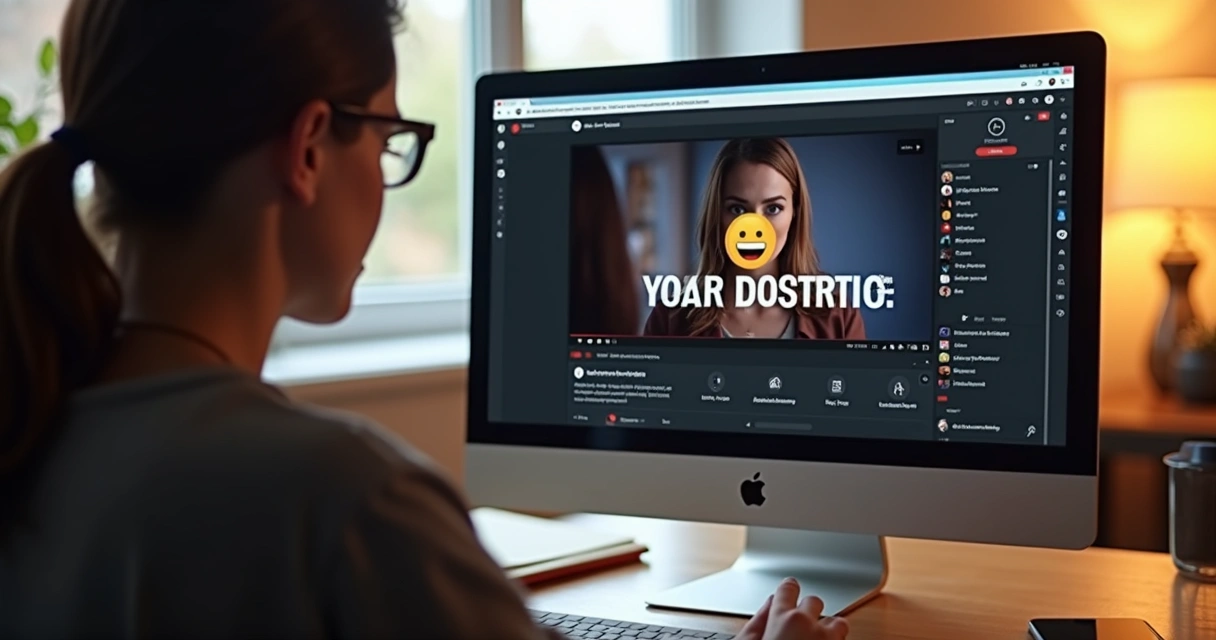
For a long time, inserting emojis at the exact point of speech required repetitive work. It was necessary to review the video, mark time, coordinate with the caption, and adjust position on the screen. On a large scale, this took hours.
With AI, this step changes a lot. The system identifies moments of higher value, separates the excerpts, generates captions, tracks faces, and can suggest visual resources that reinforce the emotion and intent of the content.
Well-applied automation does not take away the personality of the video. It opens space for creative refinement.
That’s why the topic resonates so well with VDClip’s proposal. Instead of relying solely on manual editing, one can create cuts with face motion, customize the template with logo and brand kit, insert b-roll, clean audio, and review everything in the platform’s professional editor. Then, they can post and schedule in bulk directly to social media.
For those wanting to better understand this flow, it’s worth seeing how automatic video editing with AI works.
A strong use for creators, companies, and cut channels
Synchronized emojis are not just a resource for entertainment. They also work in educational, corporate, and commercial content. In a technical explanation, an attention emoji can mark a rule. In an offer, a confirmation symbol can reinforce a benefit. In a testimonial, a more contained emoji can humanize the moment.
An agency that publishes dozens of pieces per week feels this quickly. Small gains in retention across many videos accumulate. The same applies to those who profit from cuts, monetize audiences, or provide services to third parties.
In this scenario, it’s worth knowing this content about how to make money with video cuts, as retention and CTR go hand in hand with volume, consistency, and speed of production.
There’s something curious about this story. Many people still think of emojis as a childish detail. But, in practice, the symbol has become the digital language of rapid reading. When it enters with context, at the right time and with clean editing, the effect is professional. The problem was never the emoji. The problem has always been the use without criteria.
Conclusion
 Conclusion
Synchronized emojis increase retention because they help the brain capture emotion, intention, and rhythm change in less time. They can also improve clicks when appearing in titles and thumbnails with coherence. They do not perform miracles. But when combined with script, caption, and agile editing, they make the video clearer and harder to ignore.
Retention grows when the message becomes easy to feel and quick to understand.
For those wanting to apply this more consistently, without spending hours on manual adjustments, the most direct path is to test a structure that already combines cuts with AI, captions, face tracking, automatic emojis, advanced editor, and scheduling. At this point, knowing https://vdclip.com may be the next step to transform long videos into short clips with more attention, more retention, and more results.
Frequently Asked Questions
What are synchronized emojis in videos?
They are emojis inserted in the editing to appear at the same moment as a word, emotion, gesture, or action occurs in the video. This synchronization makes the symbol reinforce the message in real-time, helping the audience interpret the content more quickly.
How do emojis help retain attention on YouTube?
They create visual highlights throughout the video. When they appear at the right moment, they break monotony, reinforce emotion, and guide the gaze to what matters most. This reduces the chance of abandonment, especially in short videos and cuts with direct speech.
Is it worth using emojis in video titles?
Yes, as long as the use is moderate and coherent with the promise of the content. An emoji can grab attention in the video list and increase the click-through rate, but excess creates noise. The best result usually comes from a well-chosen symbol, aligned with the theme and tone of the video.
What are the best emojis for videos?
The best ones are those that match the central emotion of the message. Emojis of surprise, alert, confirmation, doubt, and laughter tend to work well because they are understood quickly. The choice depends on the niche, the style of the channel, and the type of reaction the person wants to provoke.
Why do emojis increase audience retention?
Because they accelerate emotional reading and reinforce the meaning of speech with a simple visual signal. The brain quickly recognizes this type of symbol, which helps maintain attention, improve understanding, and give more rhythm to the viewing experience.


 Dynamic captions and emojis: a strong combination
 Retention, engagement, and recommendation