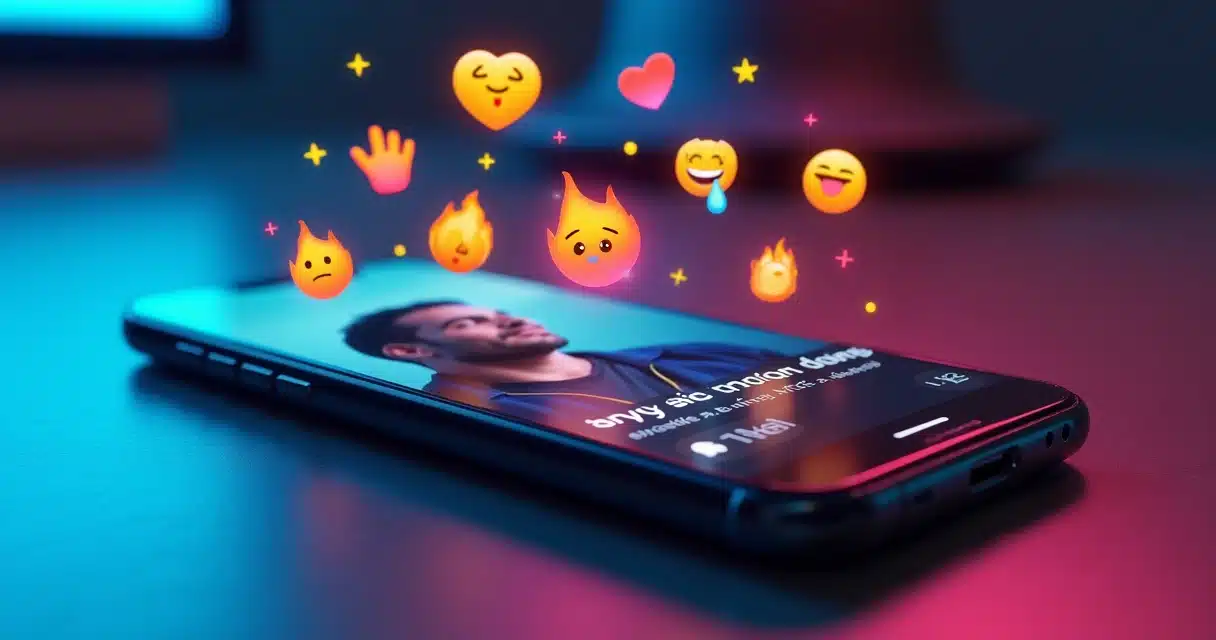
Whoever watches short videos decides very quickly whether to stay or swipe the screen. In seconds, the content needs to inform, captivate, and create rhythm. This is where the central idea behind The Psychology of Synchronized Emojis: The Secret of Retention comes in. When an emoji appears at the exact moment of a word, reaction, or speech turn, it creates a simple, direct visual reinforcement that is very easy to understand.
Synchronized emojis work because they transform speech into quick visual stimuli, which helps the brain maintain attention.
In practice, this does not happen on its own. A short video with static captions can inform. However, a video with live captions, quick cuts, face motion, and well-placed emojis tends to hold viewers for longer. Platforms like VDClip were created precisely to facilitate this type of construction, with AI resources that accelerate cuts, captions, face tracking, and visual refinement without requiring technical experience.
Why does the brain react so well?
There is a clear basis for this. One of the most well-known triggers is the pattern interrupt. In simple terms, it is a break in pattern. The viewer is seeing faces, speech, and background. Suddenly, an emoji appears with slight movement, a pointed color, and perfect timing. The brain notices the change and refocuses attention.
The gaze follows what changes.
Another point comes from the dual coding theory. Studies on the combination of verbal and visual elements to facilitate learning show that the combination of word and image aids comprehension. In short videos, this is very valuable. When a person hears “result”, reads “result” in the caption, and sees an emoji that reinforces the idea, the message gains more strength.
This effect also aligns with research on the reading of diagrams and dual coding in understanding processes. Even in educational contexts, the logic repeats: the visual helps organize meaning. In social media videos, this organization needs to happen in a matter of moments.
The emoji does not replace the message. It highlights the right message at the right second.
When does the emoji really improve retention?
Not every emoji improves results. The gain appears when it accompanies intention, rhythm, and context. A creator can say, “that was the mistake,” and the emoji can appear alongside the word “mistake.” It can express surprise, alertness, approval, or humor. The value lies in the harmony.
A common case helps visualize this. In a 30-second video, the person starts with “nobody notices this in their own content.” If the caption highlights “nobody notices” and an attention emoji pops up with a slight sound effect, the phrase tends to gain weight. Not because of magic, but because the brain receives two signals at once: speech and visual mark.
- In speeches with surprise, reaction emojis work better.
- In lists, emojis can separate steps without cluttering the screen.
- In humorous segments, timing matters more than quantity.
- In educational content, emojis help mark concepts and alerts.
Research on the interaction between verbal and non-verbal elements in digital language indicates that emojis enhance understanding and expressiveness. In video, this becomes even stronger because everything happens in motion.
 Live captions and emojis: a strong combination
 Live captions and emojis: a strong combination
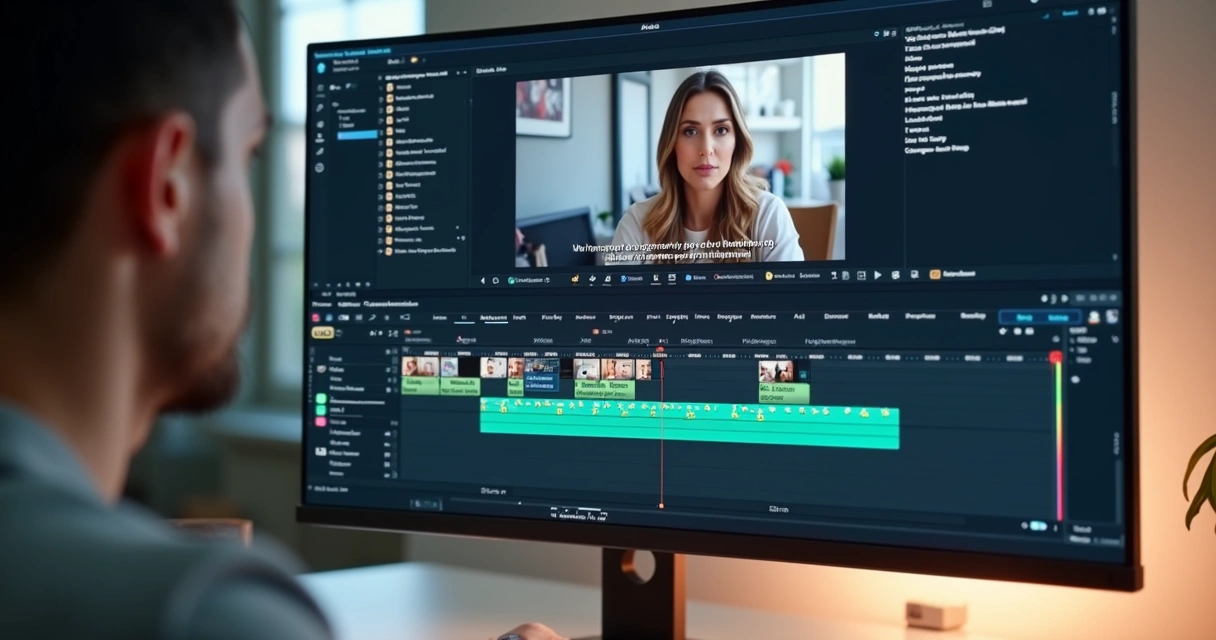
Dynamic captions are not only for accessibility. They help guide the gaze. When keywords enlarge, change color, or receive an emoji at the moment of speech, reading becomes more active. This reduces the effort to follow the video in low-sound environments and creates a sense of rhythm.
In studies on the role of imagetic elements in facilitating learning, it becomes clear that well-used visual resources aid information processing. In short videos, this gain can appear as greater retention, because the viewer understands faster and tires less.
For those seeking practical references, materials on short captioned videos help realize how on-screen text stops being a detail and becomes part of the narrative.
How to apply without exaggeration
The most common mistake is filling the screen. Many creators discover this after watching a beautiful yet tiring video. The emoji needs to come in as reinforcement, not noise.
Here are some tips that tend to work well:
- Position near the caption or focal area, without covering the face.
- Synchronize with the exact word, not seconds later.
- Use short animations, such as pop, light bounce, or quick fade.
- Choose colors that align with the video’s brand kit.
- Add short sound only when the content requires this reinforcement.
The more precise the timing, the greater the sense of fluidity for the viewer.
It also helps to think about the type of content. A finance video may require more discreet icons. A podcast cut can accept more visible reactions. A brand video can use emojis in colors aligned with the visual identity, along with logos, intros, and clean transitions.
This is exactly where tools like VDClip gain ground. The platform allows generating cuts with AI, applying face tracking, face motion, captions, audio cleaning, b-roll, templates, and brand kit personalization. Then, the direct editor on the platform helps to adjust details, including emojis and transitions, without hindering the creative flow.
The role of AI in editing
Doing all this manually takes a lot of time. First comes the selection of the excerpt. Then, the caption. Next, the choice of emphasis moments, entry of emojis, framing, and finishing. For those who publish frequently, this process becomes burdensome.
With AI, part of this work becomes automated. The system finds strong moments, suggests cuts, and keeps the face highlighted. This opens space for the creator to think about the message, not just the technical part. Those who want to understand this flow better can see content on automated video editing with AI and short videos with artificial intelligence.
In many cases, AI also helps maintain standards. This makes a difference for brands, agencies, and cut channels that need to produce volume without losing identity.
Retention, engagement, and recommendation
 Retention, engagement, and recommendation
When a person stays longer in the video, interacts more, and understands the proposal faster, the content sends positive signals to recommendation systems. It’s not just about a pretty visual. It’s about maintaining real attention.
Research on short videos and their influence on interaction and engagement reinforces this link between format, audience response, and user participation. The synchronized emoji enters this process as a support piece. It helps to hold the attention curve in segments that could drop off.
Those working with cuts and monetization also notice this effect. In highly competitive niches, small retention gains add up significantly. Therefore, it’s worth knowing strategies to make money with video cuts and generate viral clips with AI, always focusing on clarity and consistency.
Personalization that differentiates
Two creators can talk about the same theme. One delivers just information. The other delivers information with rhythm, visual brand, and pleasant reading. The difference appears in the memory that the video leaves.
Personalizing emojis, captions, colors, and movements creates brand recognition and increases the perceived value of the content.
This does not mean exaggerating. It means having a signature. A company can always use the same caption style, the same tones, the same emoji entry for alerts, and the same visual cleanliness. A podcaster may prefer more discreet emojis and cuts that follow the speech. An influencer may opt for more visible reactions. When this pattern repeats, the audience identifies the content even before seeing the profile name.
In the end, retention grows when the video is easier to watch and more enjoyable to follow. Those who want to put this into practice with less effort can check out VDClip.com and test a flow that combines cuts with AI, face motion, captions, brand kit, emojis, professional editor, and bulk posting. For frequent publishers, this combination helps transform long videos into short clips with more clarity, rhythm, and reach potential.
Tools like VDClip have an intelligent AI-managed system that checks the best moments and contexts to use emojis at the exact moments and make your video more attractive.
Frequently Asked Questions
What are synchronized emojis in videos?
They are emojis inserted in editing to appear exactly at the moment of a word, reaction, or idea in speech. They accompany the rhythm of the video and serve to reinforce meaning, humor, alertness, or emotion without taking focus away from the message.
How do emojis increase video retention?
They catch attention through small visual breaks, help highlight points in speech, and work alongside the caption. Thus, the viewer understands faster what is being said and tends to continue watching.
Is it worth using synchronized emojis?
It is worth it, as long as their use is measured. When they come in at the right time and match the content style, they make the video clearer and more interesting. When they appear excessively, they can tire and reduce the quality of the experience.
Where can I find examples of synchronized emojis?
You can observe this resource in short videos from creators, brands, podcast cuts, and educational content. It also helps to test platforms like VDClip, which allow you to create, edit, and refine videos with captions, automatically inserted emojis, and other visual elements in the same flow.
What are the best practices for using emojis in videos?
The safest practices are: use few emojis per scene, position them near the caption, respect the person’s face on screen, synchronize with keywords, choose colors compatible with the visual identity, and apply short animations. The best result usually comes from precision, not quantity.